
What Matters Most for Lifelong Fitness

Evidence-Based Priorities for Long-Term Health and Fitness
Most fitness advice focuses on short-term goals—losing weight fast, getting “shredded,” or crushing a 30-day challenge. Lifelong fitness is different. It’s about building strength, mobility, and resilience that support long-term health, helping you stay active, injury-free, and capable for decades—so you can keep doing what you love.
Here’s what the research and major health organizations consistently point to as the highest-leverage priorities.
1 - Consistency beats intensity
The best program is the one you can repeat—week after week, year after year.
The World Health Organization (WHO) emphasizes that any physical activity is better than none, and that benefits accumulate as you do more (up to recommended ranges).
What to do
Choose a weekly routine you can sustain even when life gets busy.
Aim for “minimum effective dose” habits you can keep forever, then build gradually.
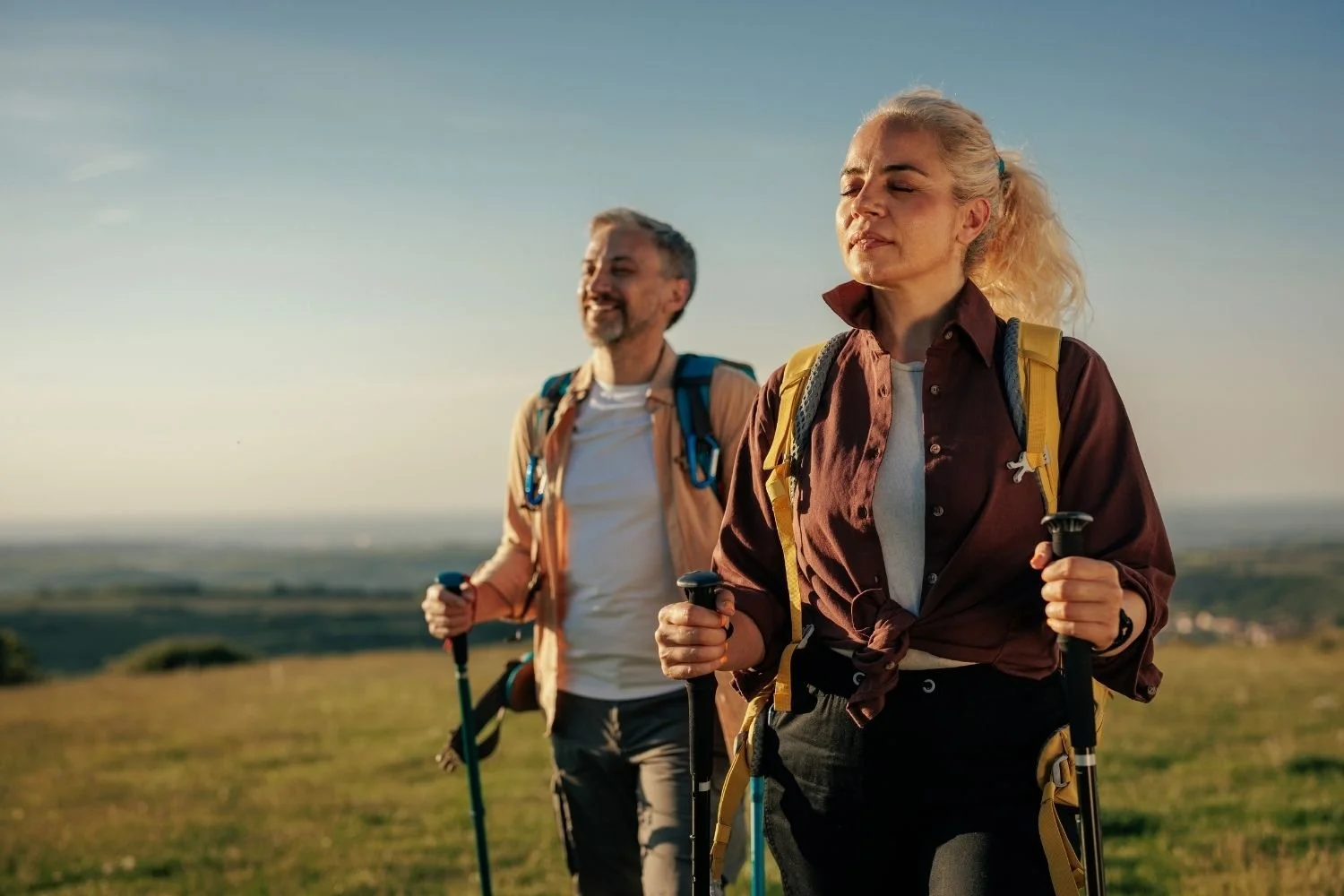
Consistency beats intensity: Small, regular movement—like walking and hiking—builds strength, resilience, and health over time.
2 - Build and maintain muscle with strength training
Strength is not just about aesthetics. It supports bone health, joint resilience, metabolic health, and independence with age.
Guidelines from organizations like WHO and the American Heart Association recommend muscle-strengthening activities at least 2 days per week.
Large-scale research also links muscle-strengthening activity to lower risk of all-cause mortality and several major diseases, with benefits appearing at relatively modest weekly volumes.
What to do
Strength train 2–3 days/week, focusing on major movement patterns: squat / hinge / push / pull / carry
Progress slowly: add a little weight, reps, or sets over time.
Prioritize technique and joint-friendly ranges of motion.
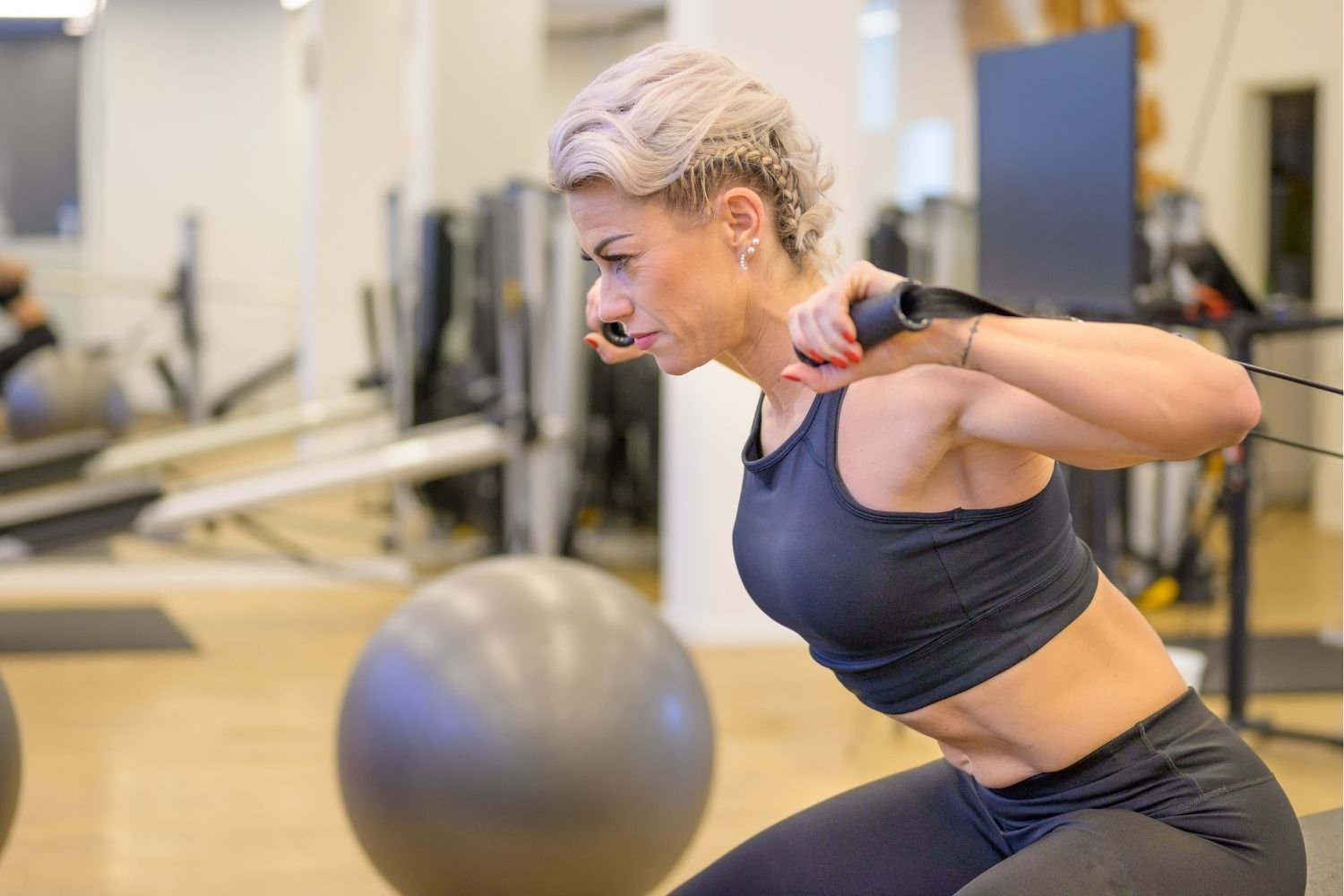
Strength training builds resilience at every age. Smart, controlled resistance work supports muscle, bone health, and long-term performance.
3 - Don’t neglect cardiorespiratory fitness
Cardiorespiratory fitness (how well your heart, lungs, and muscles use oxygen) is one of the strongest predictors of long-term health outcomes.
Recent overviews of the evidence show that higher cardiorespiratory fitness is consistently associated with lower risk across many mortality outcomes and chronic diseases.
What to do
Follow the WHO benchmark: 150-300 minutes/week of moderate activity (brisk walking counts), or 75-150 minutes/week of vigorous activity, or a mix.
Add 1-2 short “push” sessions weekly (hills, intervals, faster walking) if your joints tolerate it.
4 - Move more—especially if you sit a lot
Even if you work out, long periods of sitting are associated with worse health outcomes. WHO explicitly recommends reducing sedentary behavior, although the evidence doesn’t support one universal “safe” sitting cutoff.
What to do
Add “movement snacks”: 2-5 minutes of walking, mobility, or stairs a few times per day.
Break up long sitting stretches when you can.
5 - Train balance and mobility to stay capable (and prevent falls)
As we age, balance and functional strength become increasingly important—not just for performance, but for safety and independence.
High-quality evidence shows exercise programs—especially those that challenge balance—can reduce falls in older adults living in the community.
What to do
3-5 days/week: brief balance practice (1-3 minutes total can help)
single-leg stands near a counter
heel-to-toe walking
controlled step-ups
Mobility: focus on what limits your training (hips/ankles/thoracic spine are common).
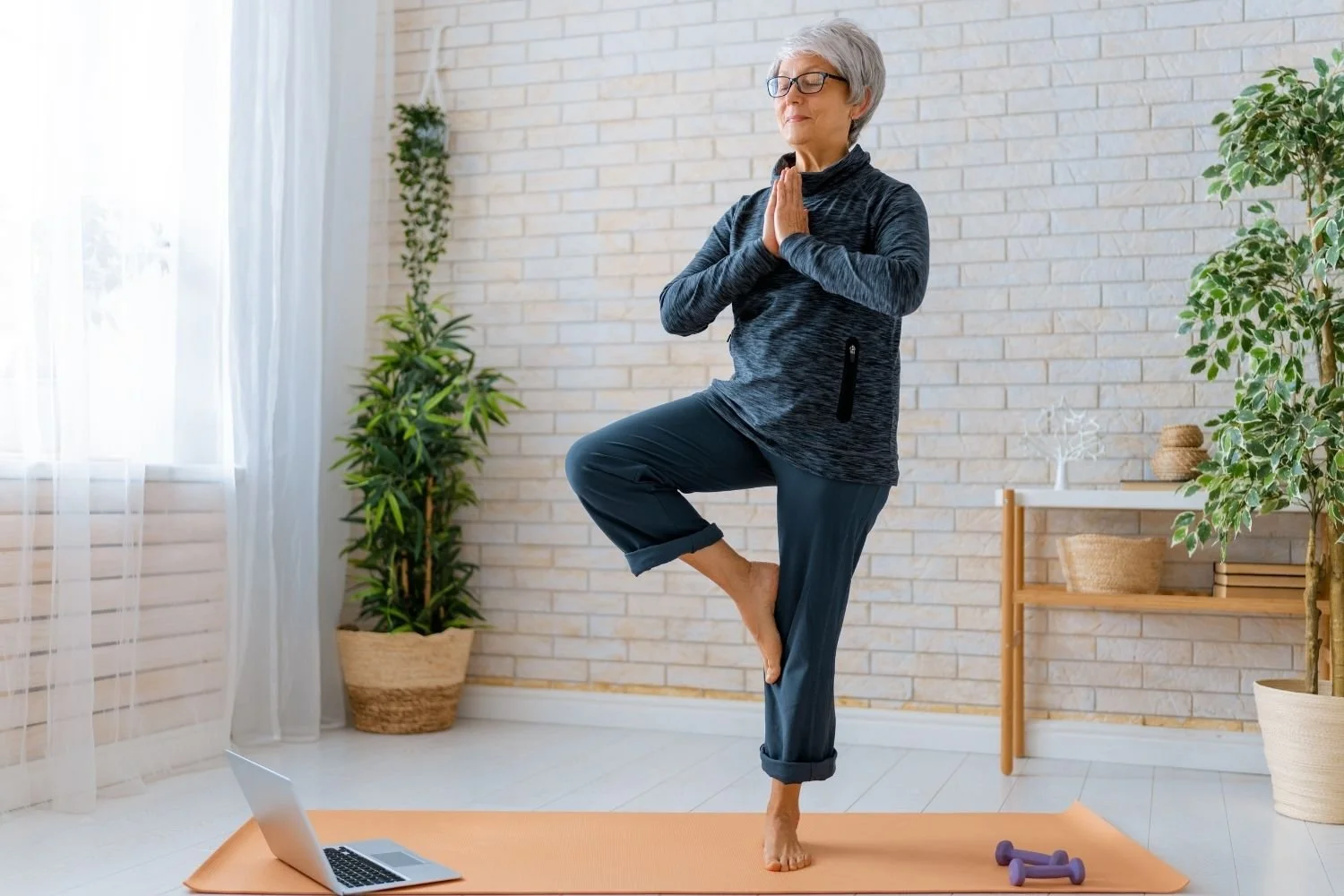
Balance training supports stability, mobility, and confidence as we age. Simple practices like yoga and single-leg exercises help reduce fall risk and improve daily movement.
6 - Recovery is a skill, not a luxury
You don’t get stronger during workouts—you get stronger between them.
Sleep is a cornerstone. The CDC notes most adults need at least 7 hours of sleep per night.
A major sleep consensus panel similarly recommends 7+ hours for optimal health.
What to do
Protect sleep with boring consistency: a regular wind-down and wake time.
Use training load as a dial:
stressed week → maintain (don’t “make up” missed workouts)
good week → progress modestly

Recovery is an active part of training. Gentle mobility, stretching, and rest help the body adapt, reduce injury risk, and support long-term fitness.
7 - Eat to support training (not to chase perfection)
For adults who want to stay strong with age, protein matters—especially alongside resistance training.
Expert guidance for older adults often recommends protein intake in the range of ~1.0–1.2 g/kg/day, with higher needs for some active individuals.
What to do
Build meals around protein + plants:
protein at each meal
fruits/vegetables and fiber
If you’re increasing protein substantially or have kidney disease or other medical conditions, get individualized medical advice.
8 - The simplest "Long-Term Template"
If you want a realistic template that fits most lives:
2–3 days/week strength training
Most days: brisk walking (or another joint-friendly aerobic option)
Daily: short movement breaks + a minute of balance practice
Nightly: protect sleep
Meals: protein + plants, consistently
That’s not flashy—but it’s what holds up over decades.
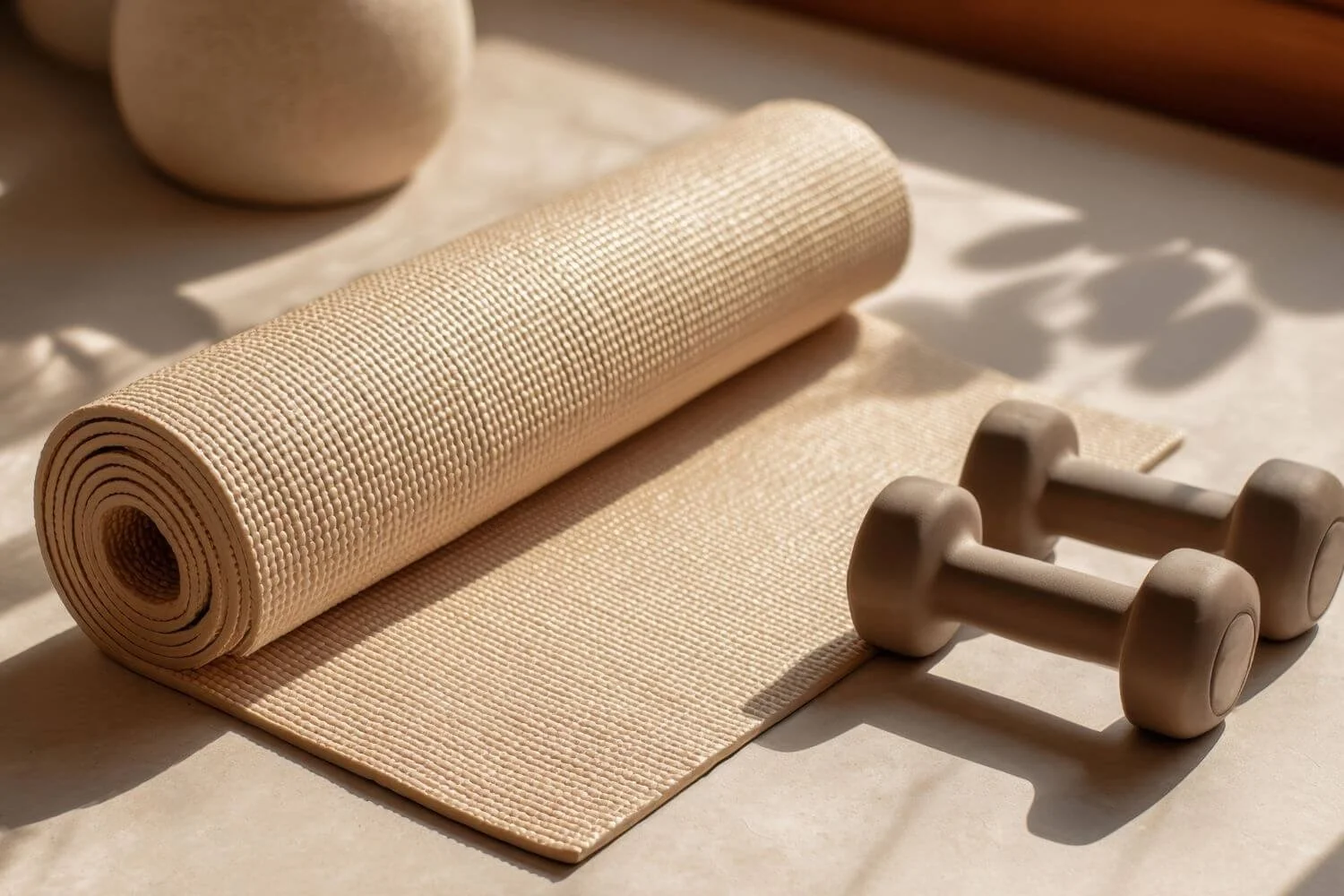
Build your routine, one habit at a time. Strength, mobility, and recovery tools that support lifelong fitness.
Read This Next
Helpful articles to keep your training smart and sustainable.
- Build Strength Safely After 50 — Learn how to structure strength training that supports long-term health and confidence as your body changes with age.
- Avoid Common Gym Mistakes — Mistakes you might not realize you’re making — and how to fix them — so your workouts are safer and more effective.
- Gentle Movement for Pain Relief — Explore gentle yoga approaches that can help ease discomfort and support mobility without overkill.
- Practical Recovery Tips — Simple, evidence-informed strategies to help your body recover faster and keep training consistently.
Sources & Further Reading
- World Health Organization. WHO Guidelines on Physical Activity and Sedentary Behaviour (2020).
- American Heart Association. Physical activity recommendations (muscle-strengthening ≥ 2 days/week).
- Momma H, et al. British Journal of Sports Medicine (2022). Muscle-strengthening activity and lower risk of mortality and major diseases (systematic review/meta-analysis).
- Lang JJ, et al. (2024). Overview of systematic reviews: cardiorespiratory fitness as a strong predictor across outcomes.
- Kokkinos P, et al. Journal of the American College of Cardiology (2022). Cardiorespiratory fitness and mortality risk.
- Sherrington C, et al. (2017). Exercise (especially balance-challenging) reduces falls in older adults (systematic review/meta-analysis).
- Centers for Disease Control and Prevention (CDC). Sleep in Adults (2024) and recommended sleep duration.
- Sleep duration consensus statement (2015): adults should sleep 7+ hours for health.
- PROT-AGE Study Group; Bauer J, et al. (2013). Protein needs in older adults (~1.0–1.2 g/kg/day) and related review guidance.