
The Future of Fitness: How 2025 Reshaped Training — and What It Means for 2026
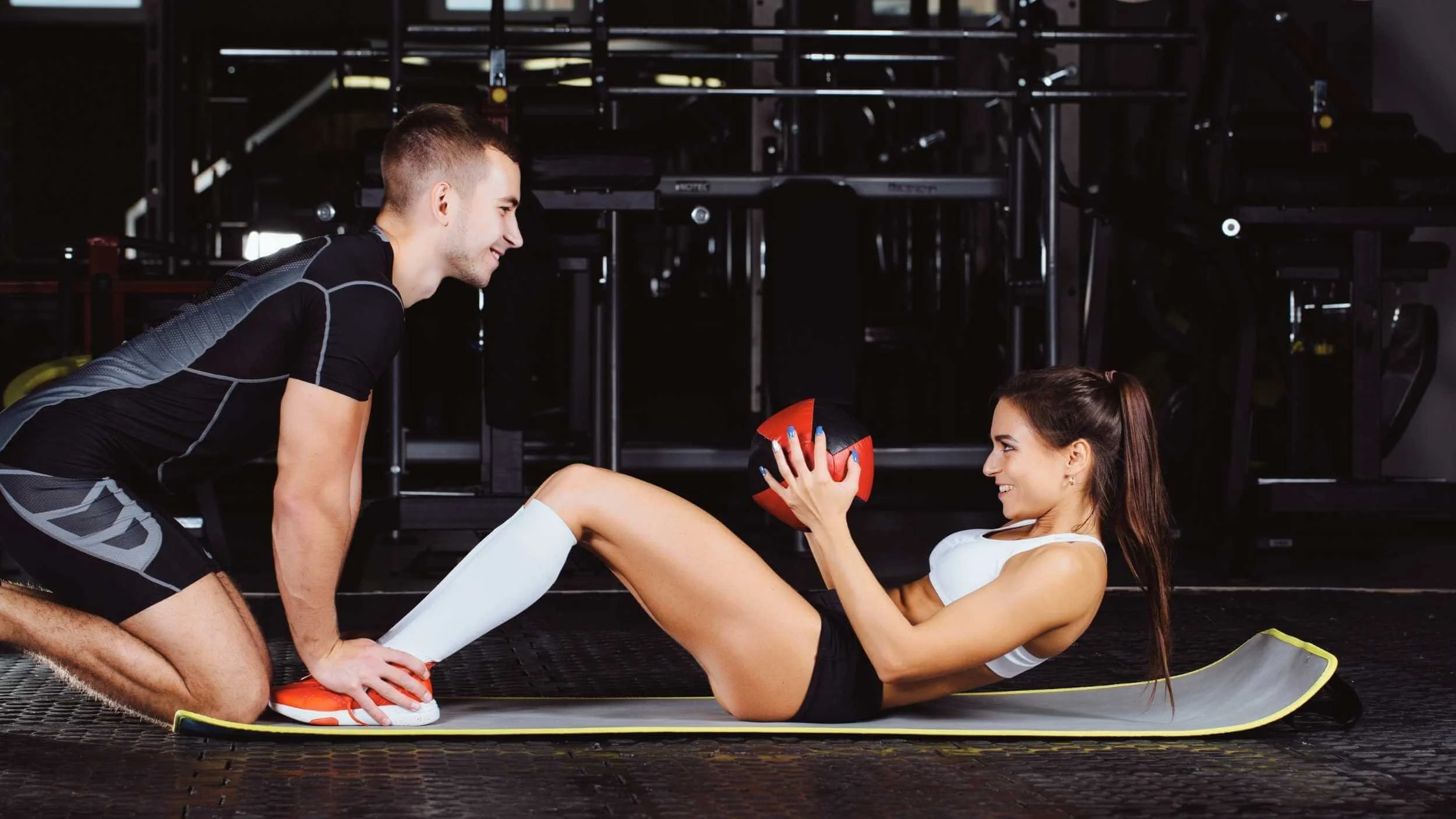
As 2025 comes to a close, the fitness industry stands at a defining moment. The past year didn’t simply introduce new workout styles — it fundamentally reshaped how people train, recover, and sustain long-term health.
Driven by wearable technology, hybrid coaching models, functional training, and a growing emphasis on recovery and holistic wellness, fitness in 2025 became smarter, more personalized, and more human-centered. For fitness enthusiasts, trainers, and industry professionals alike, these shifts are now shaping the roadmap for 2026 and beyond.
Below, we break down the most impactful fitness trends of 2025, why they mattered, and how they continue to influence the future of training.
Wearable Technology and Smart Fitness Lead the Industry
Wearable technology remained the number-one fitness trend in 2025, according to the global survey conducted by the **American College of Sports Medicine (ACSM)**¹. Devices such as smartwatches, heart-rate monitors, and recovery trackers are now central to both personal training and professional coaching environments.
These tools allow users to monitor heart rate variability, sleep quality, recovery status, and training load — enabling more informed decisions and safer progression.
“Wearable technology allows both fitness professionals and consumers to make informed decisions in real time,” says Dr. Walter Thompson, lead author of ACSM’s annual fitness trends report. *“It’s transforming how programs are designed, evaluated, and adjusted.”*¹
For professionals, wearables offer objective performance metrics. For consumers, they provide accountability, motivation, and personalized insight — making smart fitness the new standard.
Hybrid Fitness Models Expand Coaching Beyond the Gym
Hybrid fitness — blending in-person training with digital tools — became a permanent fixture of the fitness industry in 2025. According to the American College of Sports Medicine (ACSM), mobile exercise apps ranked among the top global fitness trends, reinforcing the role of technology in extending coaching beyond physical locations¹.
This model enables trainers to combine live sessions with app-based programming, remote check-ins, and performance data tracking.
“Hybrid coaching gives people flexibility without sacrificing quality,” explains Cedric X. Bryant, PhD, President and Chief Science Officer of the **American Council on Exercise (ACE)**². “When digital tools are used strategically, they enhance consistency, communication, and client engagement.”
Hybrid fitness benefits both sides: clients receive continuous support, while professionals scale their expertise and impact.
Recovery, Longevity, and Smarter Training Take Center Stage
One of the most meaningful cultural shifts in 2025 was the move away from “no days off” mentalities toward recovery-focused, longevity-driven training. Sleep, stress management, mobility work, and regeneration are now recognized as essential components of performance.
Fitness veteran Tony Horton, creator of P90X, has openly acknowledged the importance of recovery later in his career:
“You don’t get stronger during workouts — you get stronger when you recover properly,” Horton noted in recent interviews³.
This philosophy reflects a broader industry consensus: sustainable progress comes from intelligent programming, not constant intensity.

Pilates and Functional Training Gain Momentum
Pilates and functional training surged in popularity throughout 2025, driven by demand for workouts that improve posture, stability, and real-world movement. Pilates studios reported significant growth across major U.S. cities, while functional training continued to rank highly among professional programming approaches⁴.
Functional movement focuses on strength patterns that translate directly to daily life.
“When training improves how you move outside the gym, adherence and outcomes both improve,” says movement specialist **Gray Cook**⁵.
This trend reflects a shift away from purely aesthetic goals toward training that enhances long-term mobility and injury prevention.
Holistic Wellness Redefines Modern Fitness
Fitness in 2025 expanded beyond physical training alone. Mental health, sleep quality, nutrition, and lifestyle habits are now integrated into mainstream programming, reflecting a holistic wellness approach.
Clients increasingly seek balance — not burnout — and expect fitness professionals to address the whole person.
“When training aligns with sleep, nutrition, and mental resilience, outcomes are significantly stronger,” explains Dr. Allison Brager, neuroscientist and performance expert⁶.
As a result, today’s trainers are evolving into wellness coaches who support sustainable habits alongside physical performance.
Community and Connection Drive Consistency
Community-based fitness remained a powerful driver of engagement in 2025. Group classes, shared challenges, and team-oriented training environments increased motivation and long-term adherence.
“Community is one of the strongest predictors of long-term fitness adherence,” notes fitness industry analyst Liz Clark⁷.
Whether through boutique studios or workplace wellness initiatives, fitness has become a shared experience — strengthening both bodies and social bonds.
What These Fitness Trends Mean for 2026
As the industry moves into 2026, the trends that defined 2025 are no longer emerging — they are becoming foundational. Smarter technology, personalized coaching, recovery-focused programming, and holistic wellness are now baseline expectations.
For fitness enthusiasts, trainers, and industry leaders, the message is clear: the future of fitness isn’t about doing more — it’s about doing better, with intention and intelligence.
Related Reading
Stay up to date with the latest fitness research, training strategies, and industry insights.
👉 View all articles on OnFitnessMag
👉 See more articles in Fitness
References / Footnotes
American College of Sports Medicine. Worldwide Survey of Fitness Trends for 2025.
American Council on Exercise. Fitness Industry Insights & Trends.
Associated Press interview with Tony Horton on recovery and longevity.
Axios. Pilates participation trends in U.S. fitness markets (2025).
Cook, G. Movement: Functional Training Principles.
Brager, A. Performance, Sleep, and Resilience Research.
Industry analysis on community fitness adherence, 2025.