
OnFitness Magazine Articles
Smart Fitness. Stronger Living.
Explore evidence-based articles on training, nutrition, recovery, health, and longevity — written for adults who want to build strength, move well, and stay active for life.

How Hard Should You Really Work Out? Why More Isn’t Always Better
More effort doesn’t always mean better results. Learn how to gauge workout intensity using RPE, reps in reserve, the talk test, and recovery signals so you can train hard enough to make progress without turning every session into an all-out test.

How to Return to Exercise After Time Away
Taking time away from exercise is part of life. Here's how to return safely, rebuild your routine, and regain confidence without trying to make up for lost time.

Recovery Between Workouts: 8 Simple Habits That Support Better Progress
Workouts provide the stimulus, but recovery is where your body rebuilds, adapts, and becomes more capable. These eight simple habits can help you support better progress between training sessions.

The Fitness to Say Yes
The greatest benefits of fitness often appear outside the gym. Long-term training helps preserve the freedom, confidence, and capability to keep saying yes to life's opportunities.

The value of staying capable
Long-term fitness is not only about improvement. It is also about maintaining the strength, mobility, and energy to continue participating fully in life.

Inside Astronaut Training: What Christina Koch Reveals About Human Performance
Astronaut Christina Koch reveals how spacewalking challenges the body and mind — from marathon-level exertion in a pressurized suit to the strength, endurance, recovery, and focus required to perform in microgravity.
Training for the Long Term
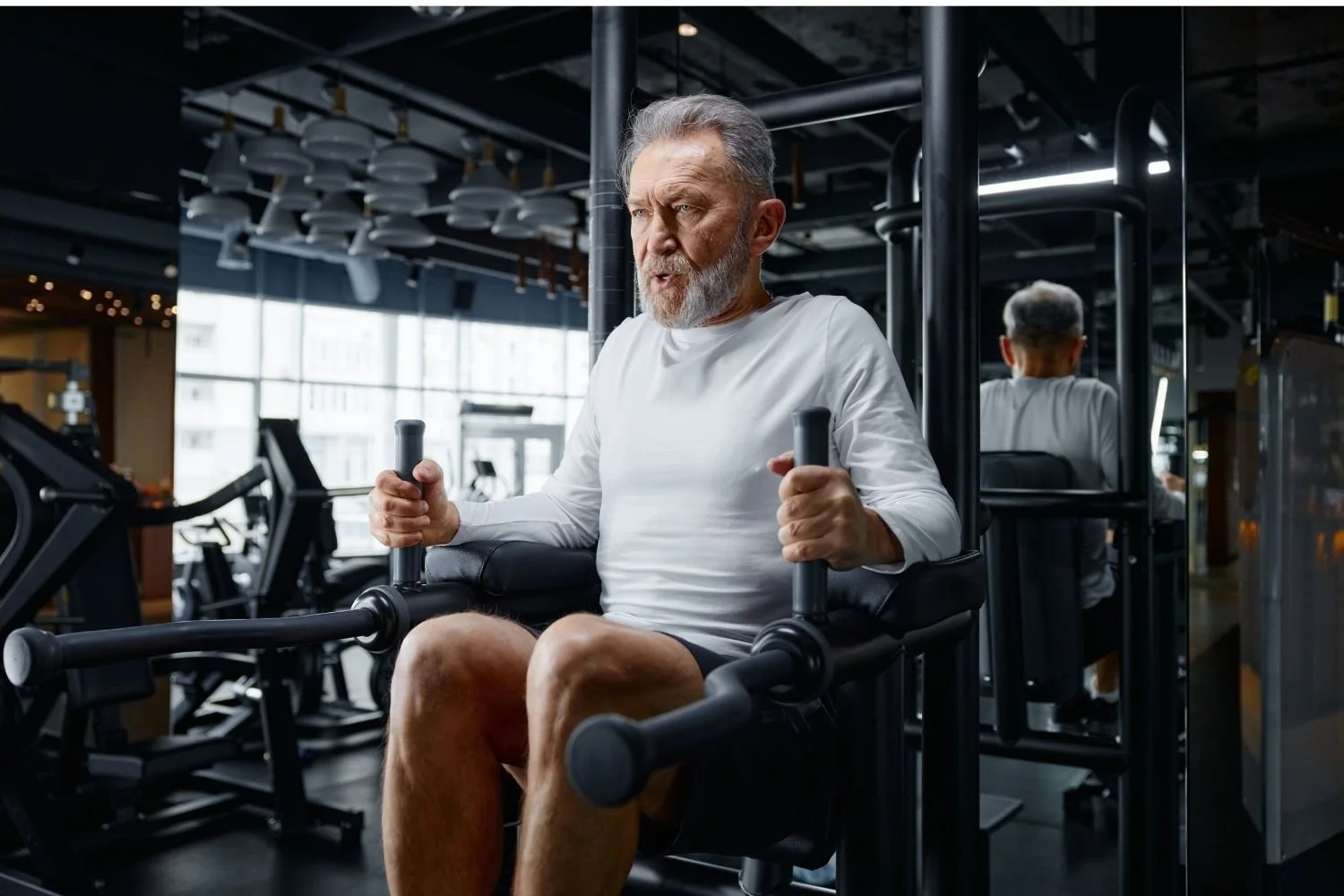
The most valuable training routine is not the most intense — it’s the one you can continue returning to over time.

How Training Fits Into the Rest of Your Life
The best training routines aren’t the most intense — they’re the ones that fit your life and last over time.

Building Momentum Again
Momentum in training doesn’t return all at once. It rebuilds through small, consistent changes over time.

When Progress Feels Stuck
When progress slows or feels invisible, it doesn’t mean it has stopped. Here’s what’s really happening.

Why a good workout is defined more by focus than by intensity.
A good workout isn’t defined by how hard it feels, but by how well it’s performed and repeated over time.

What Progress Actually Feels Like
Progress isn’t always visible in the moment. Here’s how it actually feels as it unfolds over time.

Training When Motivation Is Low
Motivation fluctuates, but progress can continue. Here’s how experienced trainees keep training even when enthusiasm fades.

How to Get Rid of a Loose Belly: What Actually Works
Struggling with a loose belly? Learn how strength training, deep core exercises, posture correction, and gradual fat loss tighten your midsection.

Strength That Supports Your Life
True strength isn’t proven in one lift — it’s built to support your life for years to come.
When Your Goals Change
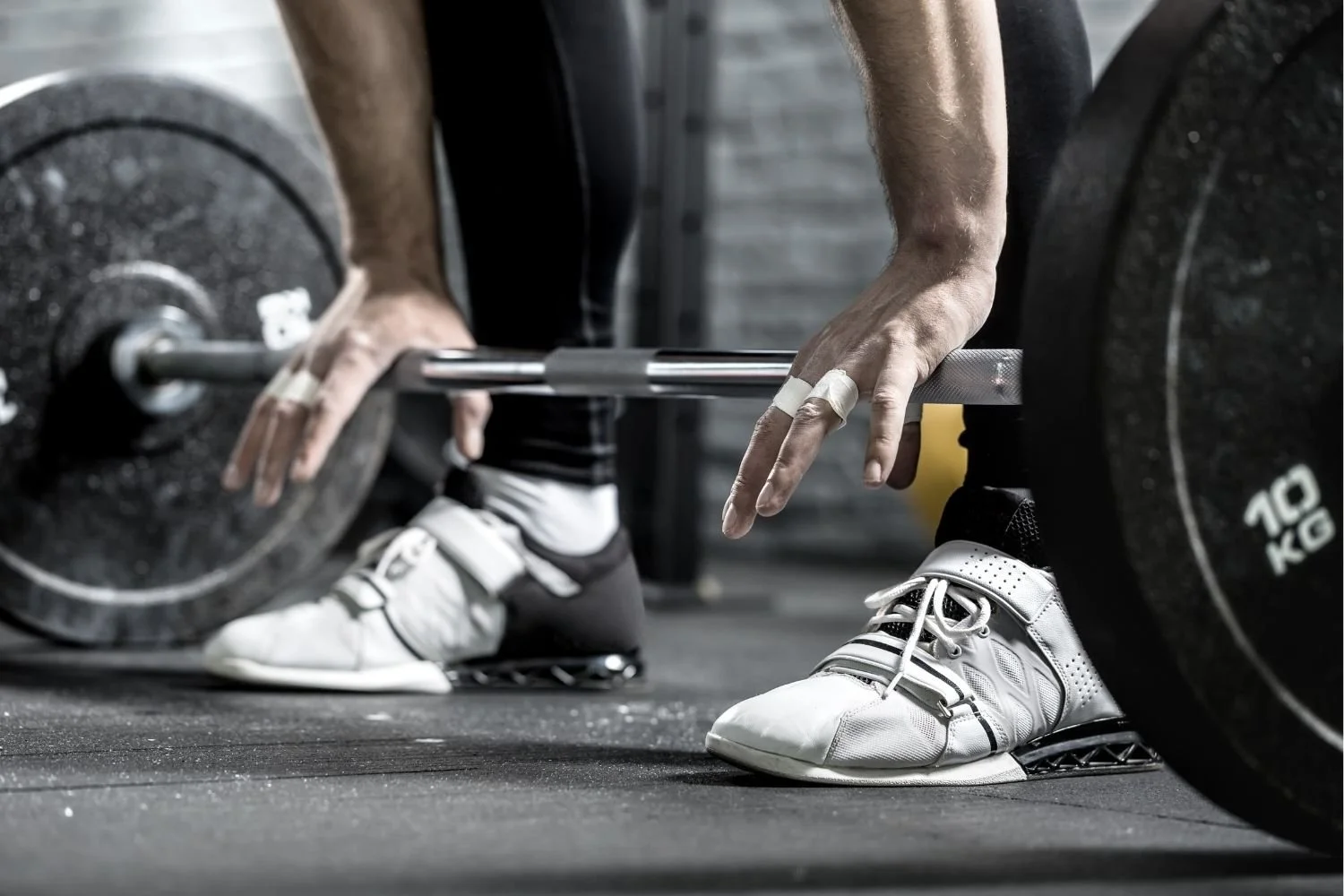
As life changes, so do the goals behind your training. Here’s why redefining progress can strengthen — not weaken — long-term fitness.
Training Through Change
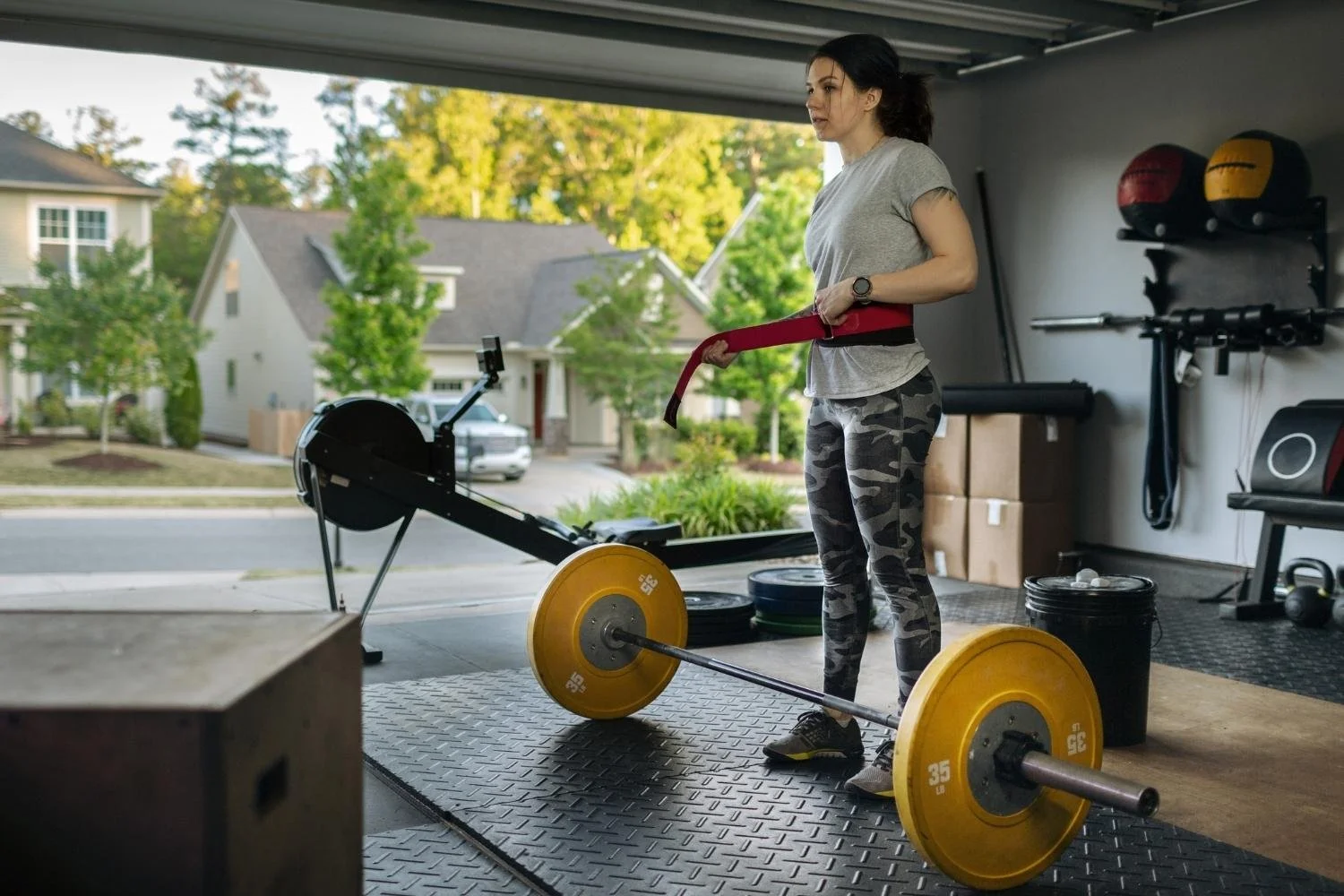
Progress lasts when training adapts to life instead of competing with it. Here’s how experienced trainees adjust without restarting.

What Experienced Trainees Learn to Protect
With time and experience, training shifts from adding more to protecting what allows progress to last — habits, joints, energy, and continuity.

What Experienced Trainees Eventually Stop Chasing
With experience, training becomes less about adding more and more about letting go. Here’s what long-term trainees stop chasing — and what they focus on instead.

How restraint and recovery quietly drive long-term training progress.
Sometimes the smartest way to progress in training is to do less — leaving room for recovery, consistency, and longevity.