How to Speed Up Recovery After a Workout: 5 Essential Tips

Maximizing your workout recovery is just as important as the workout itself. Proper recovery supports muscle repair, can help manage soreness, and helps maintain training performance. If you want to feel stronger and more energized for your next session, follow these key post-workout recovery strategies.
1. Stay Hydrated
Drinking enough fluid before, during, and after exercise helps maintain performance and replace fluid lost through sweat. Hydration needs vary depending on body size, workout intensity, temperature, humidity, and individual sweat rate. After especially long, hot, or sweaty workouts, fluids containing electrolytes—particularly sodium—may also help replace what was lost.
2. Prioritize Quality Sleep
Sleep is one of the body's most important recovery periods. Most adults should get at least seven hours of sleep per night, although individual needs vary and some active people may need more. Deep sleep is associated with growth-hormone release and other physiological processes involved in tissue repair and recovery. Consistently inadequate sleep can impair performance and leave you feeling less recovered for your next workout.
3. Refuel with Protein and Carbohydrates
After exercise, protein provides amino acids needed for muscle repair, while carbohydrates help replenish muscle glycogen used during training. A balanced meal might pair chicken, fish, eggs, dairy, tofu, or another protein source with fruit, potatoes, rice, whole grains, or other carbohydrate-rich foods. Healthy fats such as nuts, avocado, and olive oil remain an important part of an overall balanced diet.
4. Eat a Healthy Pre-Workout Snack
If it has been several hours since your last meal, a light pre-workout snack can help provide fuel for training. Carbohydrates are particularly useful for exercise energy, while a modest amount of protein can contribute to your overall daily protein intake. Options such as a banana with peanut butter or Greek yogurt with fruit can work well, depending on the workout and your digestion.
5. Consider Cold-Water Recovery
Cold-water immersion may help reduce muscle soreness after especially demanding exercise, although it is not necessary after every workout and its effects on performance recovery vary. Most research involves cold-water immersion rather than a brief cold shower. If your primary goal is building muscle or strength, routine cold immersion immediately after every resistance workout may not be the best recovery strategy.
Bonus Recovery Tips
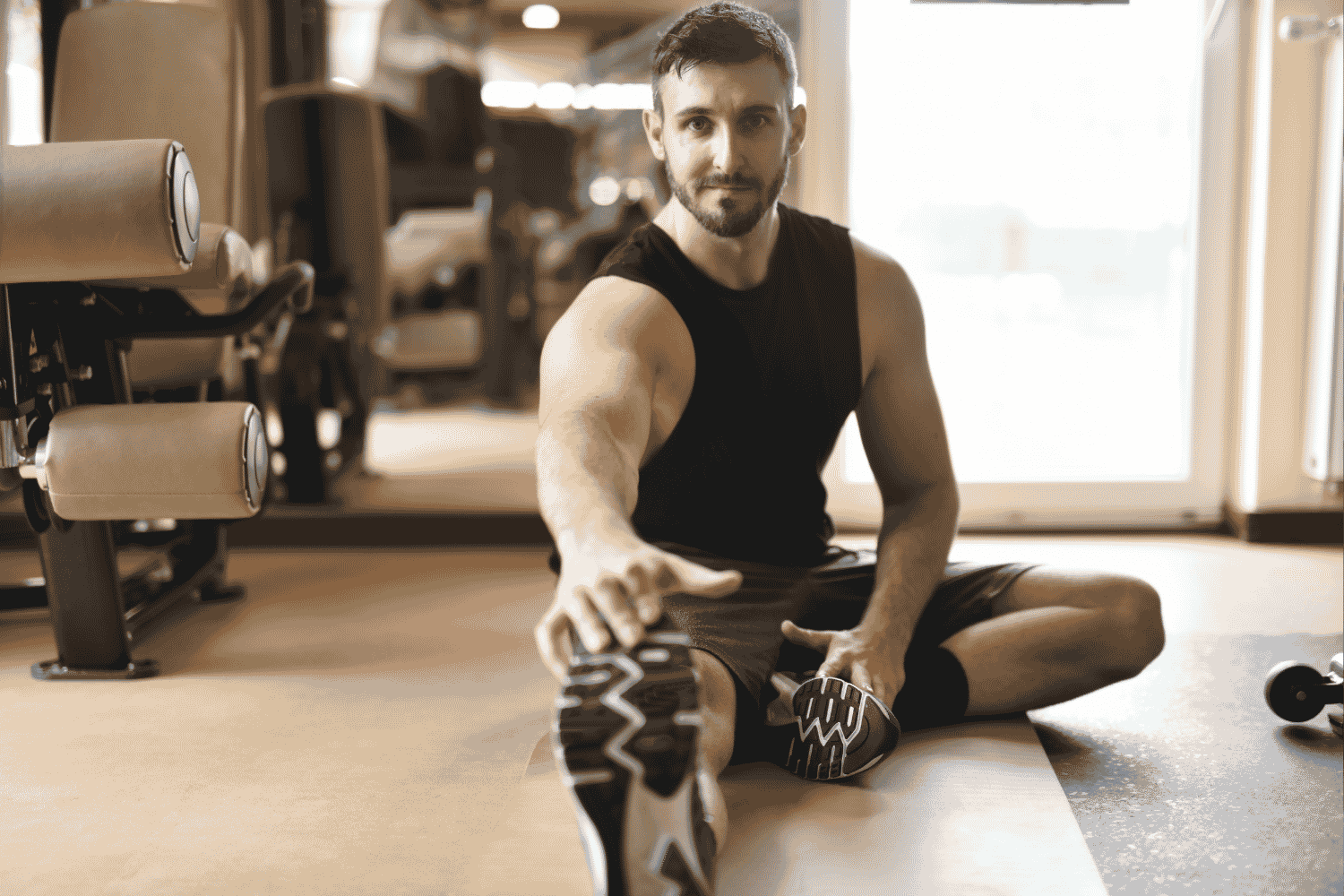
Stretch or Foam Roll – Gentle stretching may help maintain mobility, while foam rolling may temporarily improve range of motion and reduce perceived muscle soreness.
Replace Fluids and Electrolytes – After long, hot, or very sweaty workouts, replacing fluids and sodium can help restore hydration. Most people can obtain other electrolytes through a balanced diet.
Active Recovery – Easy walking, cycling, or other light movement can help you stay mobile and may reduce perceived soreness after hard training.
Making recovery part of your training routine can help you manage fatigue, support muscle repair, and arrive at your next workout better prepared. Focus first on the fundamentals—adequate sleep, hydration, nutrition, and appropriate rest—then use tools such as foam rolling or cold-water immersion when they suit your training and goals.