
Training Through Change
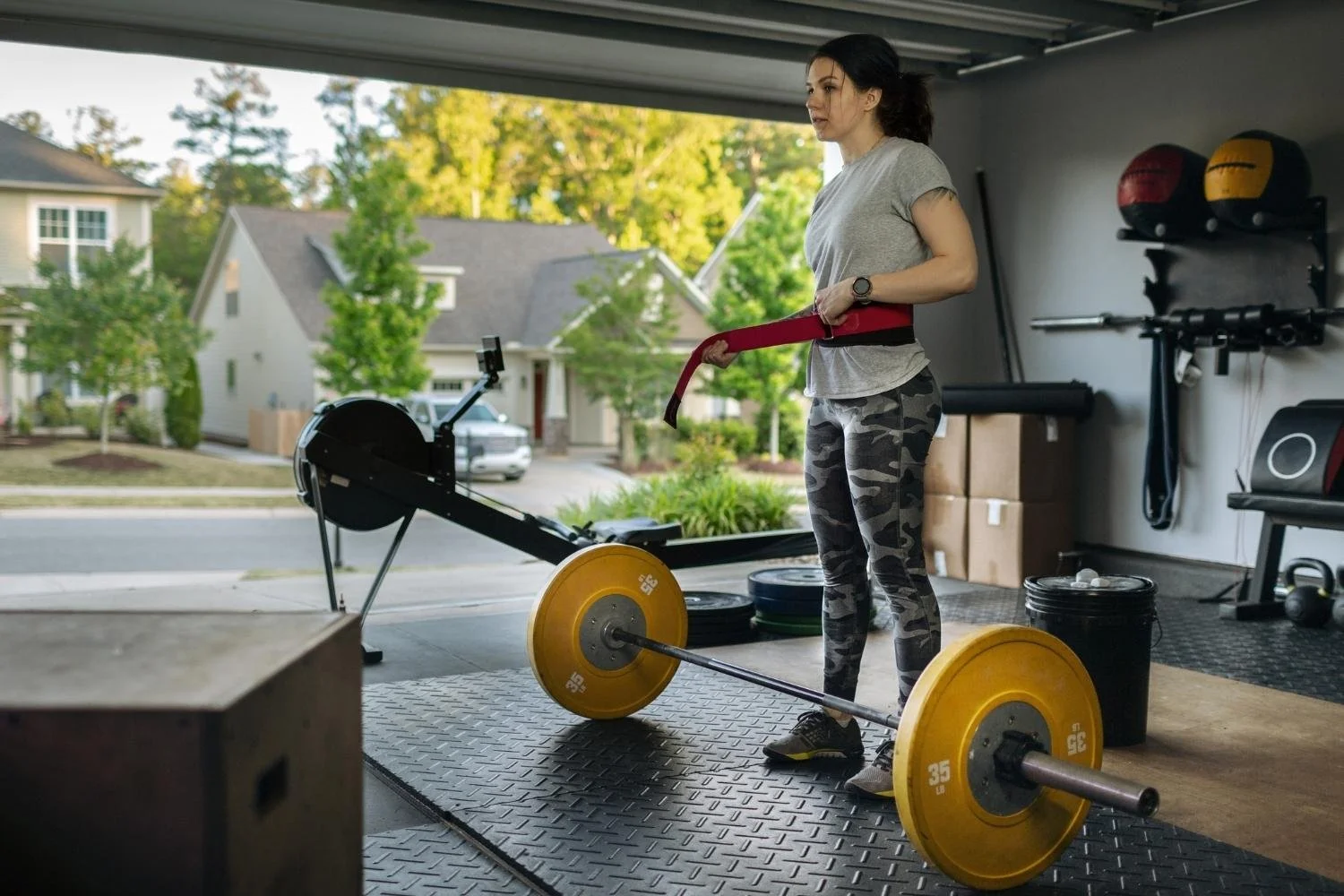
Long-term progress depends less on perfect conditions and more on the ability to adapt.
Most training plans assume stability. Real life rarely provides it.
Work becomes demanding. Family responsibilities increase. Travel disrupts routines. Sleep varies. Motivation rises and falls.
When training depends on perfect conditions, it eventually collapses.
When training adapts, it continues.
Life Changes Faster Than Programs
Programs are built around structure. Real life is not.
There are seasons that allow longer sessions and focused progression. There are others that demand shorter workouts, simpler movements, and lower intensity.
Experienced trainees understand this. They don’t try to force the same plan through every season. They adjust the plan to match the moment.
Adaptation is not weakness. It’s intelligence.
Adjustment Is Not Regression
Many trainees equate change with loss.
Reducing volume for a period.
Switching exercises to protect a joint.
Training three days instead of five.
None of this erases progress. In many cases, it protects it.
Progress isn’t defined by rigid adherence to a single structure. It’s defined by staying in motion — even when that motion looks different than it once did.
Avoiding the Restart Trap
When life changes, many people stop training entirely, waiting for the “right time” to begin again.
That time rarely arrives.
Experienced trainees avoid the restart cycle. Instead, they:
Scale sessions instead of canceling them
Shorten workouts instead of skipping them
Maintain rhythm even when intensity drops
Continuity compounds. Restarting resets.
Sustainable Progress Tolerates Seasons
There are seasons of building.
Seasons of maintaining.
Seasons of rebuilding.
Seasons of simply showing up.
Training that survives these shifts becomes part of life rather than something that competes with it.
Over time, adaptability becomes more valuable than intensity.
The OnFitness Takeaway
Long-term progress belongs to those who adjust instead of abandon.
Choose one variable this week — time, volume, intensity, or exercise selection — and adapt it to your current reality. Let your training meet you where you are, not where you think you should be.
Continue exploring OnFitness
Read more articles on sustainable training and long-term fitness.