
What Experienced Trainees Learn to Protect
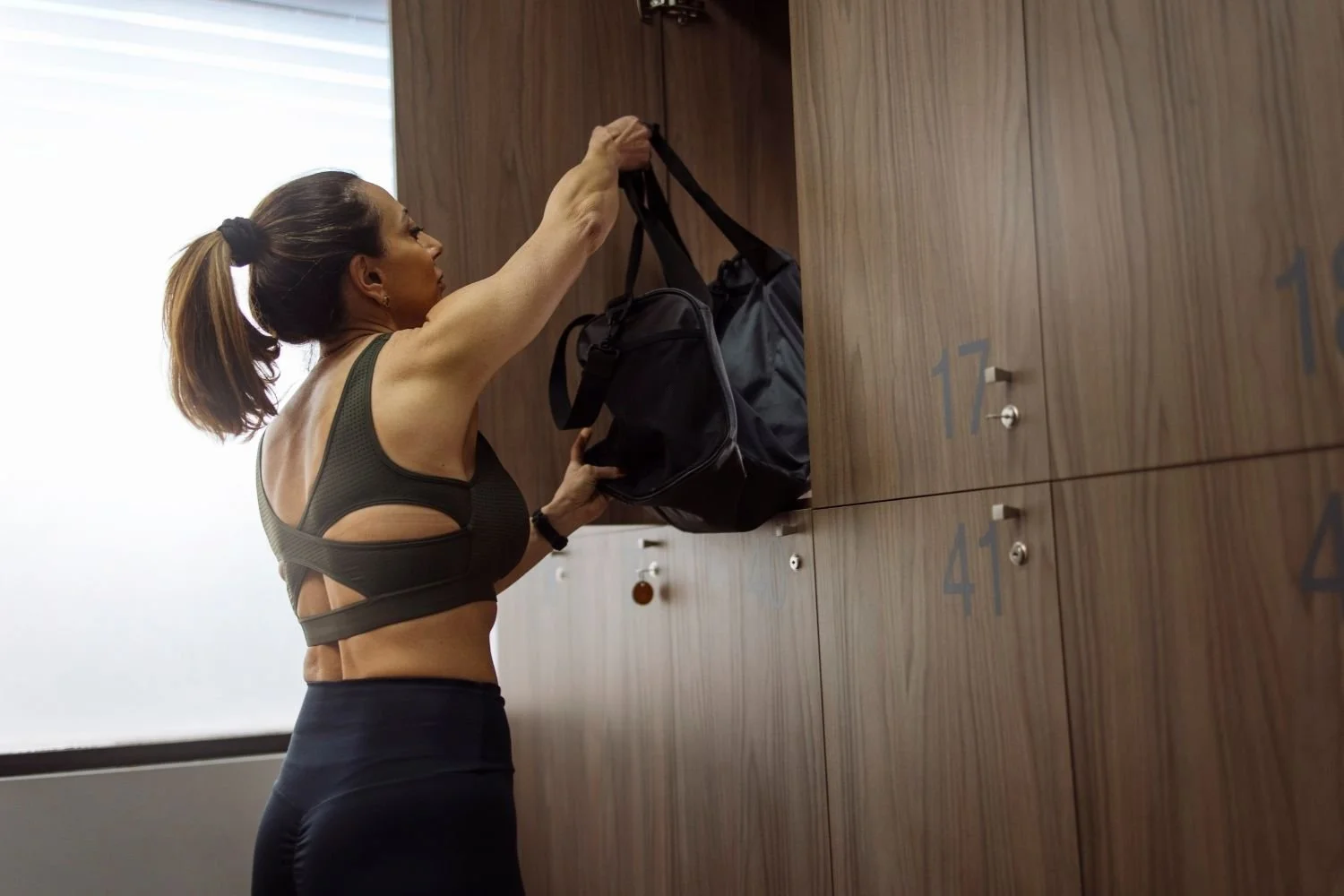
With experience, progress becomes less about adding more — and more about preserving what allows training to continue.
Early training is often about building — strength, capacity, confidence.
Later on, the work shifts.
Progress doesn’t stop, but the priorities change. What matters most is no longer what you can add, but what you can keep intact.
They protect consistency
Experienced trainees don’t leave consistency to chance.
They build routines that survive:
busy weeks
low-energy days
minor disruptions
Training becomes something that bends without breaking. Fewer long gaps mean fewer restarts — and fewer restarts mean steadier progress.
They protect joints and movement quality
Over time, form stops being about aesthetics and starts being about longevity.
Experienced trainees:
choose movements they can repeat for years
avoid grinding through pain
respect small signals before they become big problems
Strength is no longer something to prove — it’s something to maintain.
They protect energy outside the gym
Training stops being the center of life and becomes a support for it.
Sessions are designed to:
improve energy, not drain it
allow recovery within a normal routine
leave room for work, family, and rest
Progress feels sustainable because it doesn’t compete with everything else.
They protect confidence
Confidence comes from familiarity and trust.
Experienced trainees rely on:
movements they know well
loads they can manage consistently
systems that have worked before
This reduces hesitation and second-guessing — and makes showing up easier.
They protect continuity
Ultimately, continuity becomes the goal.
Progress shows up as:
longer stretches of steady work
fewer dramatic changes
training that feels integrated into life
That’s where progress compounds quietly.
The OnFitness Takeaway
Long-term progress isn’t built by constantly adding more. It lasts because the right things are protected.
This week, identify one thing worth protecting — a joint, a habit, your energy, or your weekly rhythm — and make a small decision that supports it.
Explore more from OnFitness
Read additional articles on training, wellness, and long-term health.