
Skip the Peroxide: The Smarter Way to Clean Wounds (and Heal Faster)
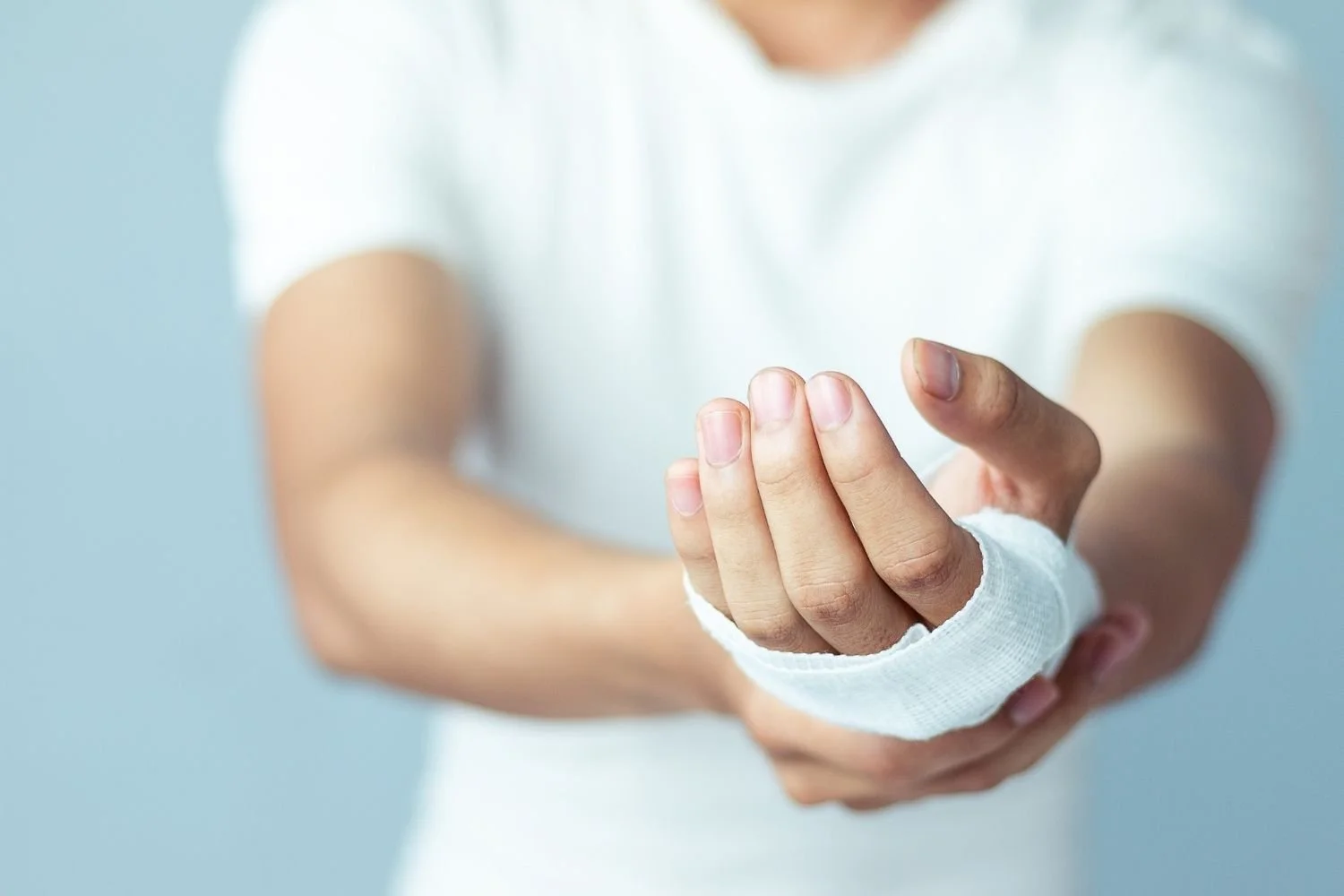
What you do in the first few minutes after a cut can determine how fast you heal — or how long it lingers.
Whether it’s a scraped shin from a deadlift, a fall on a run, or a weekend project gone wrong, minor wounds are part of an active life.
But what you do in the first few minutes after an injury matters more than most people realize.
One of the most common mistakes? Reaching for hydrogen peroxide or rubbing alcohol.
Despite decades of use, modern medical guidance is clear: these harsh antiseptics can actually slow healing — not speed it up.
Why Peroxide and Alcohol Do More Harm Than Good
Hydrogen peroxide, alcohol, and iodine are effective at killing bacteria — but they don’t discriminate.
They also damage the healthy cells your body sends to repair the wound.
That means:
Slower tissue regeneration
Increased irritation and inflammation
Greater likelihood of visible scarring
For active individuals, this isn’t just a cosmetic issue. Delayed healing can mean more time away from training, sport, and routine.
The Right Way to Clean a Wound
Effective wound care is simpler — and gentler — than most people think.
1. Clean your hands first
Wash with soap and water for at least 20 seconds.
If unavailable, use hand sanitizer (≥60% alcohol).
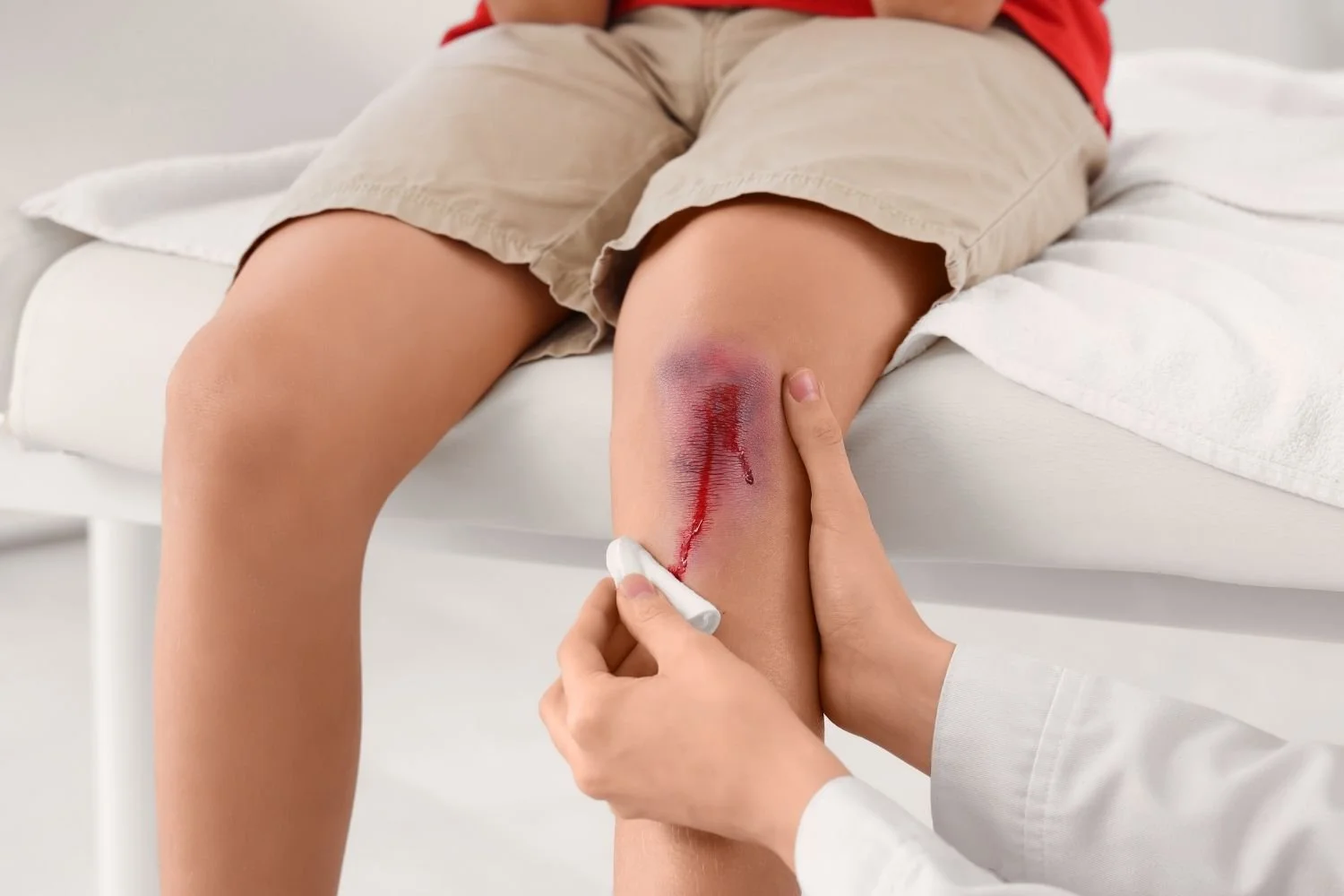
Gentle cleaning with water — not harsh antiseptics — supports faster healing.
2. Rinse the wound thoroughly
Use clean, running water and mild soap.
This step does the heavy lifting:
Flushes out dirt and debris
Reduces bacteria
Protects new tissue
No harsh chemicals needed.
3. Keep it slightly moist
After gently drying the surrounding skin:
Apply a thin layer of petroleum jelly
Use antibiotic ointment only if infection is a concern
Then cover with a clean bandage.
4. Keep it covered (at least initially)
Contrary to old advice, wounds heal better in a moist, protected environment.
Benefits include:
Faster healing
Reduced scabbing
Less scarring
When to Be Cautious
Not every wound should be managed at home.
Seek medical care if you notice:
Deep or gaping cuts
Persistent bleeding
Signs of infection (redness, swelling, warmth, pus)
Wounds that aren’t improving over several days
Surgical incisions and more serious injuries require more structured care.
Why This Matters for Recovery
Wound care isn’t just basic first aid — it’s part of recovery.
Small mistakes early on can:
Extend healing timelines
Interrupt training consistency
Increase the risk of complications
On the flip side, proper care supports faster tissue repair and a quicker return to performance.
OnFitness Takeaway
Skip peroxide and alcohol for open wounds
Clean with water + mild soap
Keep wounds moist and covered
Protect healing tissue to reduce downtime
The Bottom Line
Real preparedness isn’t just having a first-aid kit — it’s knowing how to use it correctly.
By moving away from outdated habits and adopting evidence-based care, you give your body the best chance to heal quickly, cleanly, and without unnecessary setbacks.
And when recovery improves, everything else — training, performance, consistency — follows.