
How to Heal Cuts Faster: The Science of Recovery, Nutrition, and Tissue Repair
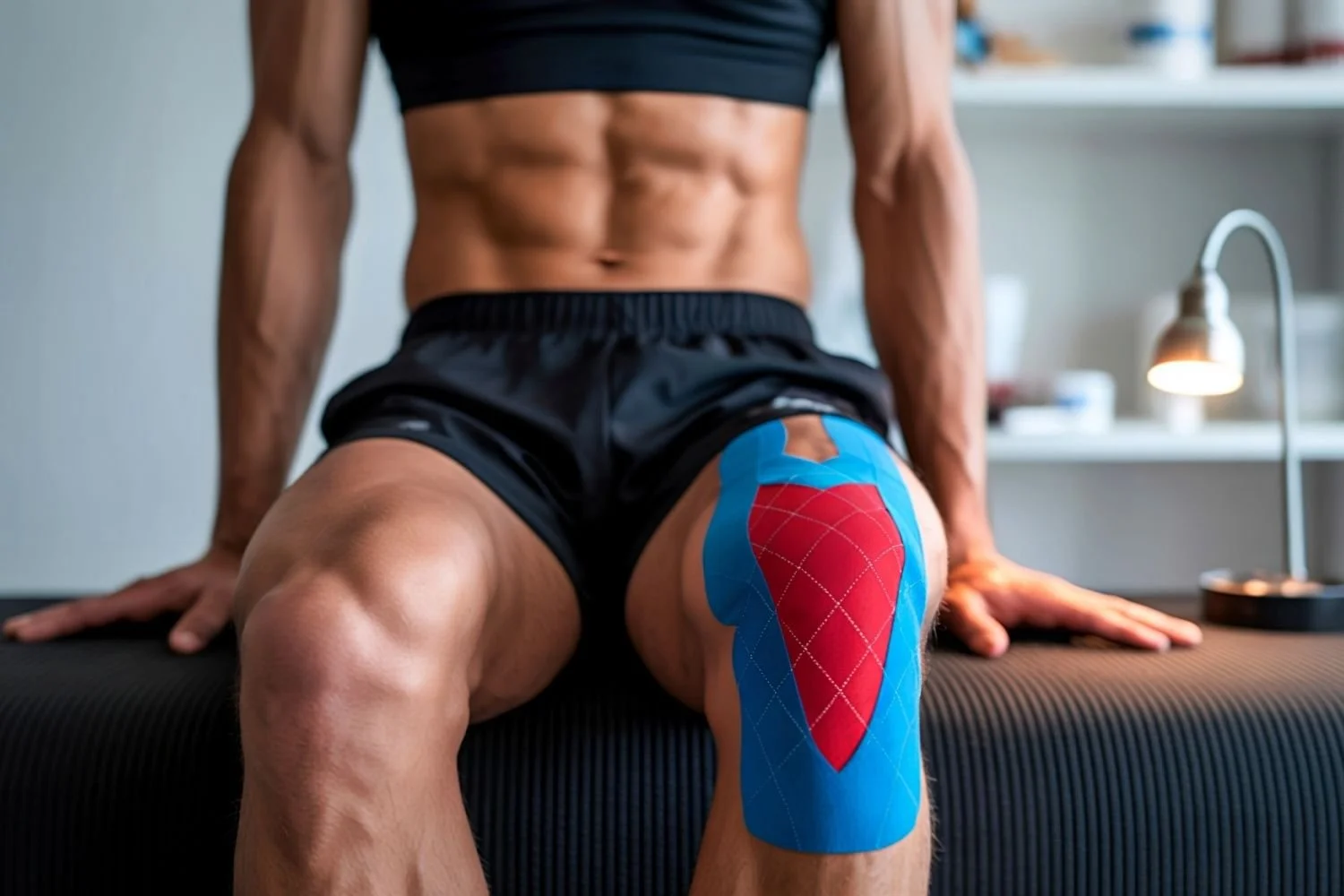
Minor cuts and scrapes are easy to dismiss — until they linger longer than expected.
For active individuals, even small wounds can interrupt training, delay progress, and increase the risk of infection or scarring. The good news: healing isn’t passive. It’s a biological process you can actively support.
Understanding how the body repairs tissue — and what helps or hinders it — is key to recovering faster and getting back to full performance. Proper recovery starts with the basics — including how you clean a wound properly in the first place.
The Science of Wound Healing
Wound healing happens in three overlapping phases:
Inflammation (Days 1–4)
Your body's immediate response: Blood clotting seals the wound Immune cells remove bacteria and debris Redness and swelling appear
This phase is essential — but excessive inflammation can slow recovery.
Proliferation (Days 3–21+)
New tissue begins to form: Collagen production increases New blood vessels develop (angiogenesis) Skin cells migrate to close the wound
This is where most of the visible healing occurs. Timeline varies significantly based on wound size and severity.
Remodeling (3 weeks to a year or more)
The final phase: Collagen strengthens and reorganizes Tissue regains durability Scarring gradually improves
Poor care early on often shows up here as weaker tissue or more visible scars.
Why Proper Wound Care Matters
Basic first aid directly impacts how efficiently these phases unfold.
According to guidance from the American College of Surgeons and National Health Service:
Gentle cleaning with water reduces infection risk without damaging tissue
Keeping wounds moist accelerates epithelial repair
Avoiding harsh antiseptics preserves healthy cells
Small decisions early can significantly influence healing speed and quality.
Nutrition: The Hidden Driver of Faster Healing
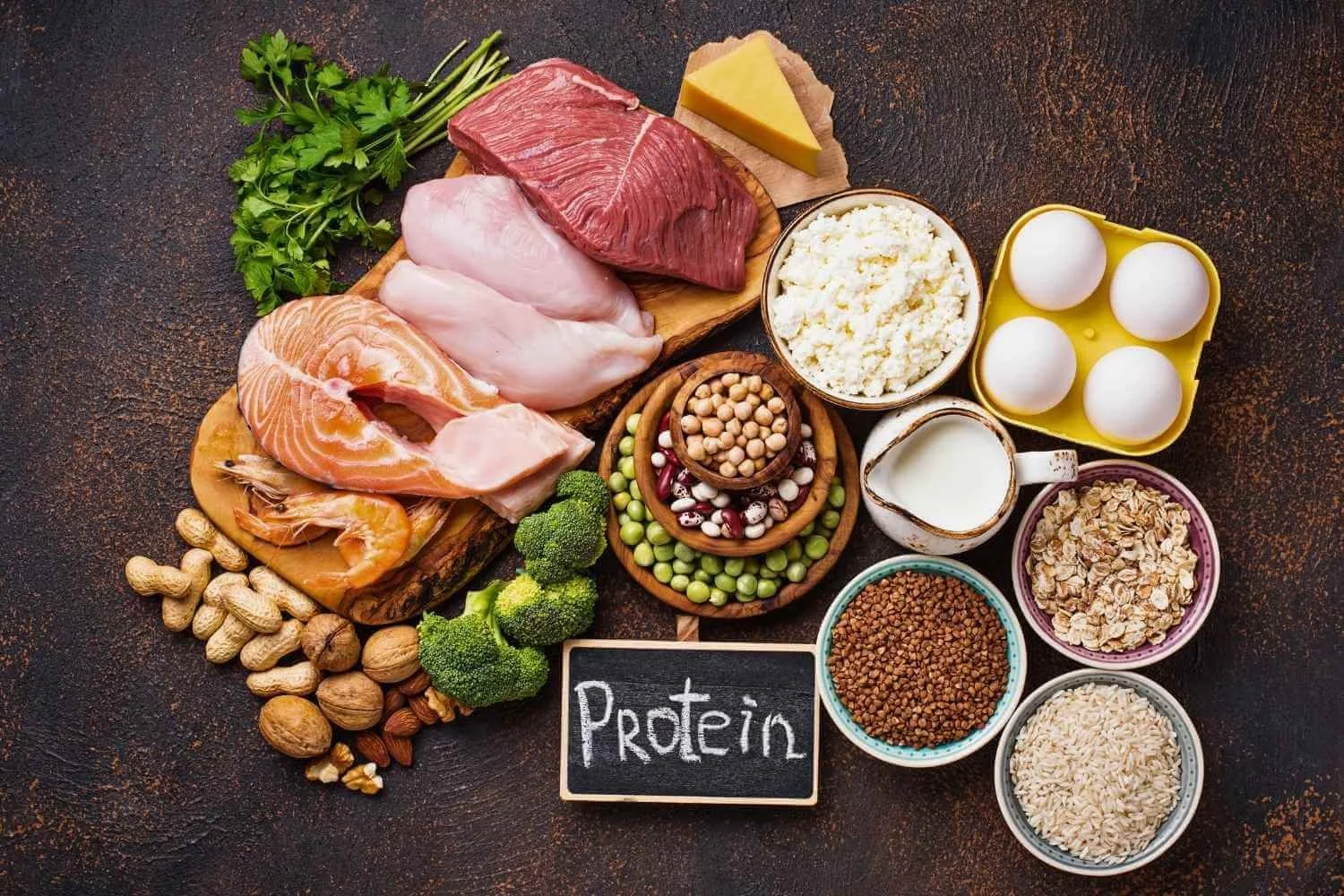
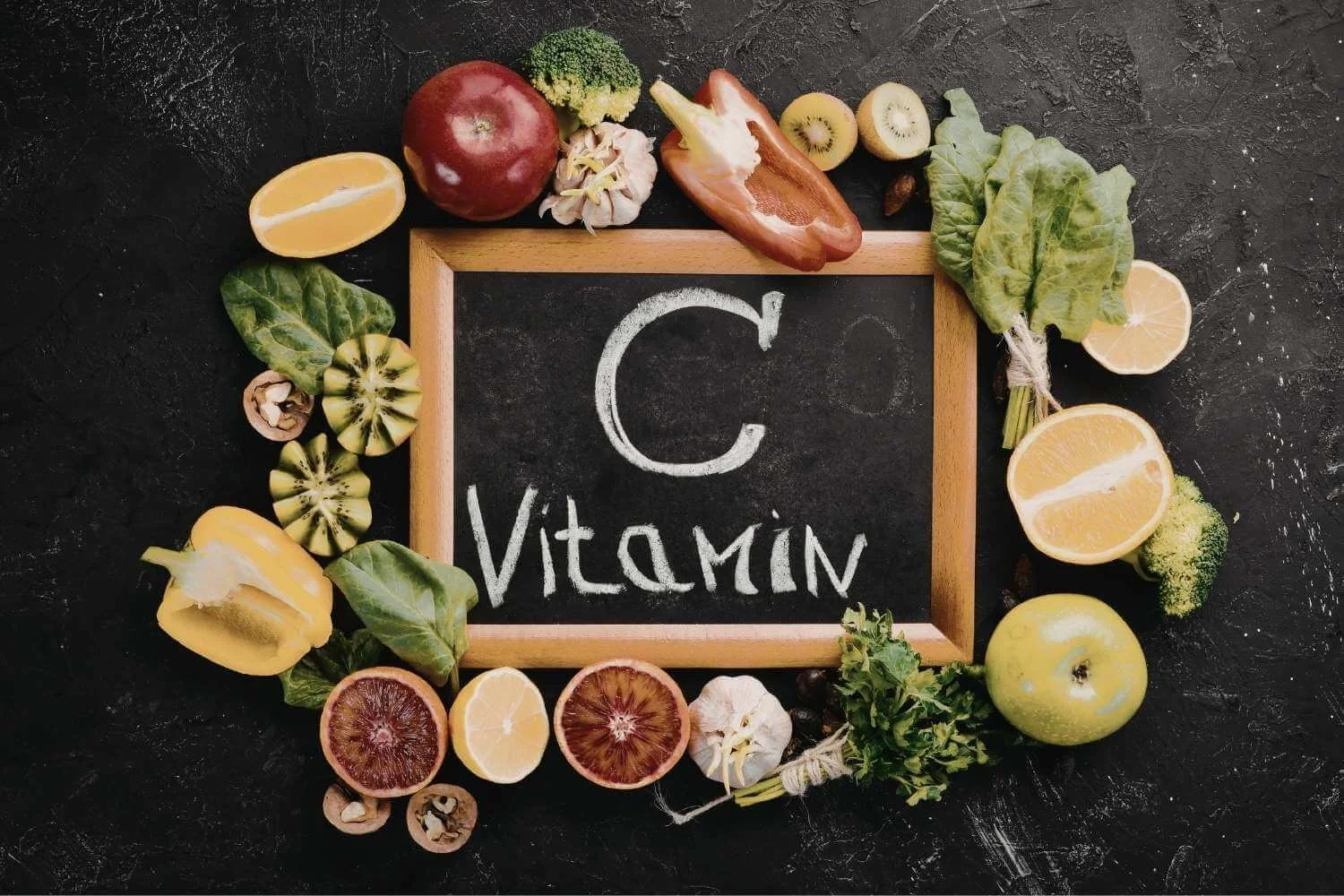
Tissue repair is metabolically expensive. Without proper nutrition, healing slows — even if wound care is perfect.
Protein (Critical)
Protein provides the building blocks for:
Collagen formation
Immune function
Tissue regeneration
Low protein intake is consistently linked to delayed healing.
Vitamin C (Collagen support)
Essential for:
Collagen synthesis
Antioxidant protection
Vitamin C deficiency directly impairs wound strength and repair speed. For already well-nourished individuals, the evidence for supplementation is mixed — but ensuring you're not deficient is a meaningful priority during recovery.
Zinc (Cell repair + immunity)
Supports:
DNA synthesis
Immune response
Tissue growth
Zinc deficiency can meaningfully delay healing. The clearest benefits come from correcting a shortfall rather than supplementing beyond normal levels — in some studies, excess zinc has actually slowed recovery.
Omega-3 Fatty Acids (Inflammation control)
Help regulate:
Inflammatory response
Cellular repair processes
Balance matters — excessive inflammation slows progress.
Hydration and Blood Flow
Healing depends on delivery systems:
Oxygen
Nutrients
Immune cells
Dehydration reduces circulation efficiency and slows recovery. Light movement (when appropriate) can also support blood flow — but avoid stressing the injured area.
Sleep: The Most Underrated Recovery Tool
During sleep, your body increases:
Growth hormone release
Protein synthesis
Cellular repair activity
Chronic sleep restriction has been shown to:
Delay wound closure
Increase inflammation
Impair immune response
If healing matters, sleep is non-negotiable.
What Slows Healing Down
Even with good intentions, these common mistakes can delay recovery:
Using hydrogen peroxide or alcohol inside wounds
Letting wounds dry out completely
Poor nutrition or low protein intake
Smoking (reduces oxygen delivery)
Repeated irritation or reopening the wound
When to Adjust Training
You don’t always need to stop training — but you do need to be strategic.
Avoid:
Friction on the wound
Excessive sweating on open cuts
Movements that reopen healing tissue
Modify intensity and protect the area. A few smart adjustments now can prevent weeks of delay later.
OnFitness Takeaway
Healing is an active biological process — not passive
Moist, protected wounds heal faster and with less scarring
Protein, vitamin C, and zinc directly support tissue repair
Sleep and hydration are essential for recovery
Smart training adjustments prevent setbacks
The Bottom Line
Faster healing isn’t about doing more — it’s about doing the right things consistently.
If the wound isn’t cleaned correctly from the start, healing can be delayed — which is why proper wound care matters.
When you combine proper wound care with targeted nutrition, quality sleep, and intelligent recovery strategies, you give your body the environment it needs to repair efficiently.
And in the long run, better recovery is what keeps training consistent — and progress moving forward.
References
American College of Surgeons — Wound care and home management guidance
National Health Service — Minor wound treatment recommendations
Cleveland Clinic — Wound healing stages and care
Harvard Medical School — Nutrition and tissue repair insights
National Institutes of Health — Micronutrients and wound healing research