
Building Momentum Again
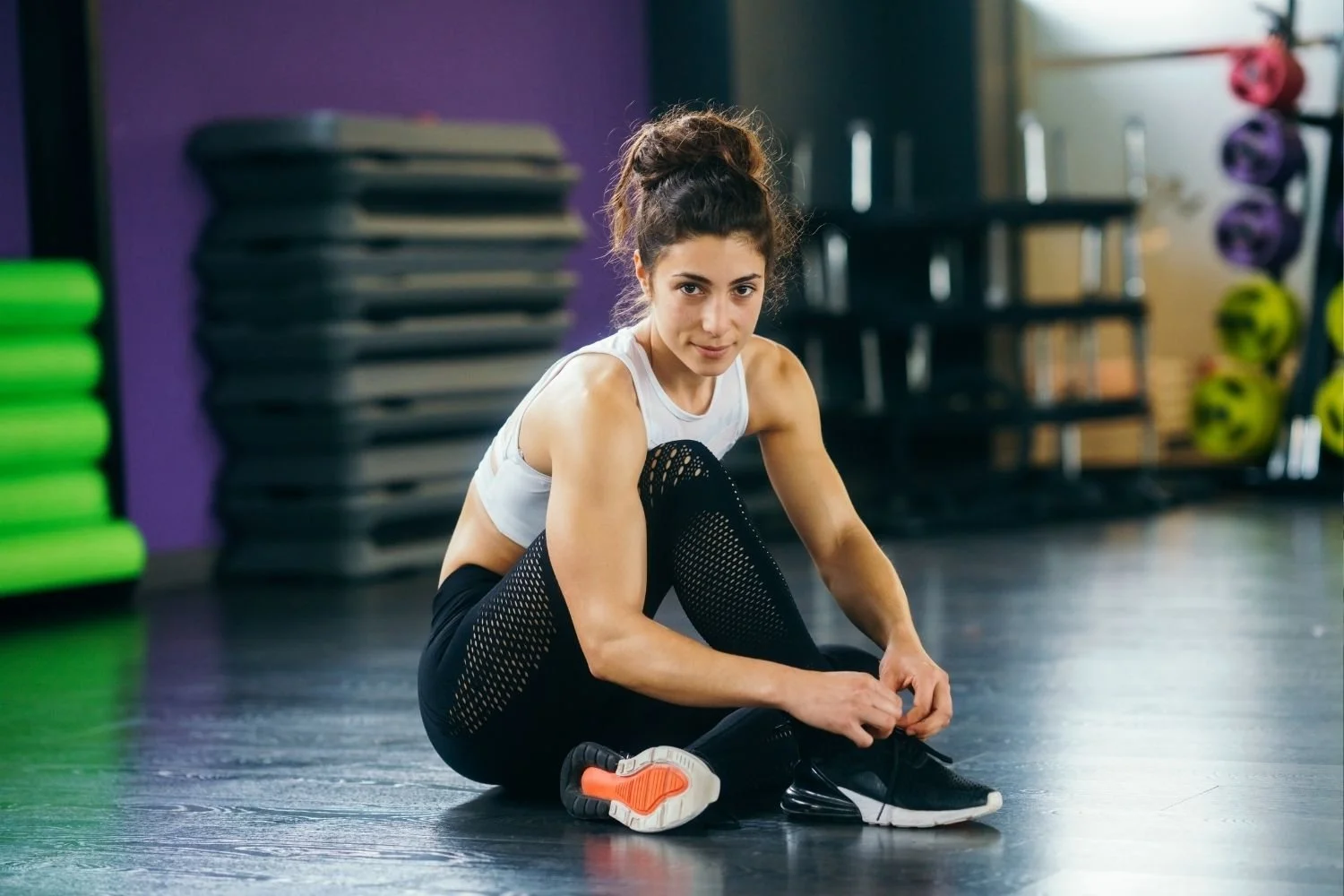
Momentum in training isn’t found all at once — it’s rebuilt through small, consistent steps.
There are periods in training where everything feels steady.
You show up.
You complete your sessions.
You maintain your routine.
And yet, something feels missing.
Energy dips. Progress feels quiet. Momentum fades.
This is a normal part of long-term training.
The goal isn’t to avoid these periods. It’s to learn how to move through them.
Momentum Builds Gradually
Momentum is often misunderstood.
It isn’t something you find all at once. It’s something you rebuild gradually.
Trying to force it usually leads to frustration. Small, consistent adjustments tend to work better.
Start Where You Are
Momentum doesn’t come from returning to your best week.
It comes from working with your current one.
That might mean shorter sessions, slightly reduced intensity, or a simpler structure.
The goal is not to impress yourself. It’s to re-establish rhythm.
Make One Change, Not Many
When progress feels slow, it’s tempting to overhaul everything.
A new program.
Different exercises.
A completely new schedule.
But too much change often creates more disruption.
A single adjustment — slightly more volume, a bit more focus, or an extra day of consistency — is often enough to create movement.
Let Progress Reappear
Momentum often returns quietly.
A session feels smoother.
A movement feels stronger.
Consistency becomes easier.
These signals are easy to overlook, but they matter.
Momentum builds from them.
Stay Close to What Works
When things begin to improve, there’s a tendency to push harder.
Add more.
Increase intensity.
Chase the feeling.
But staying close to what is working usually leads to better results.
Progress grows when it’s supported, not rushed.
The OnFitness Takeaway
Momentum isn’t something you create all at once.
It’s something you rebuild through steady, repeatable effort.
Make one small adjustment this week — and let consistency do the rest.
Continue exploring OnFitness
Read more articles on sustainable training and long-term fitness.