
Training for the Long Term
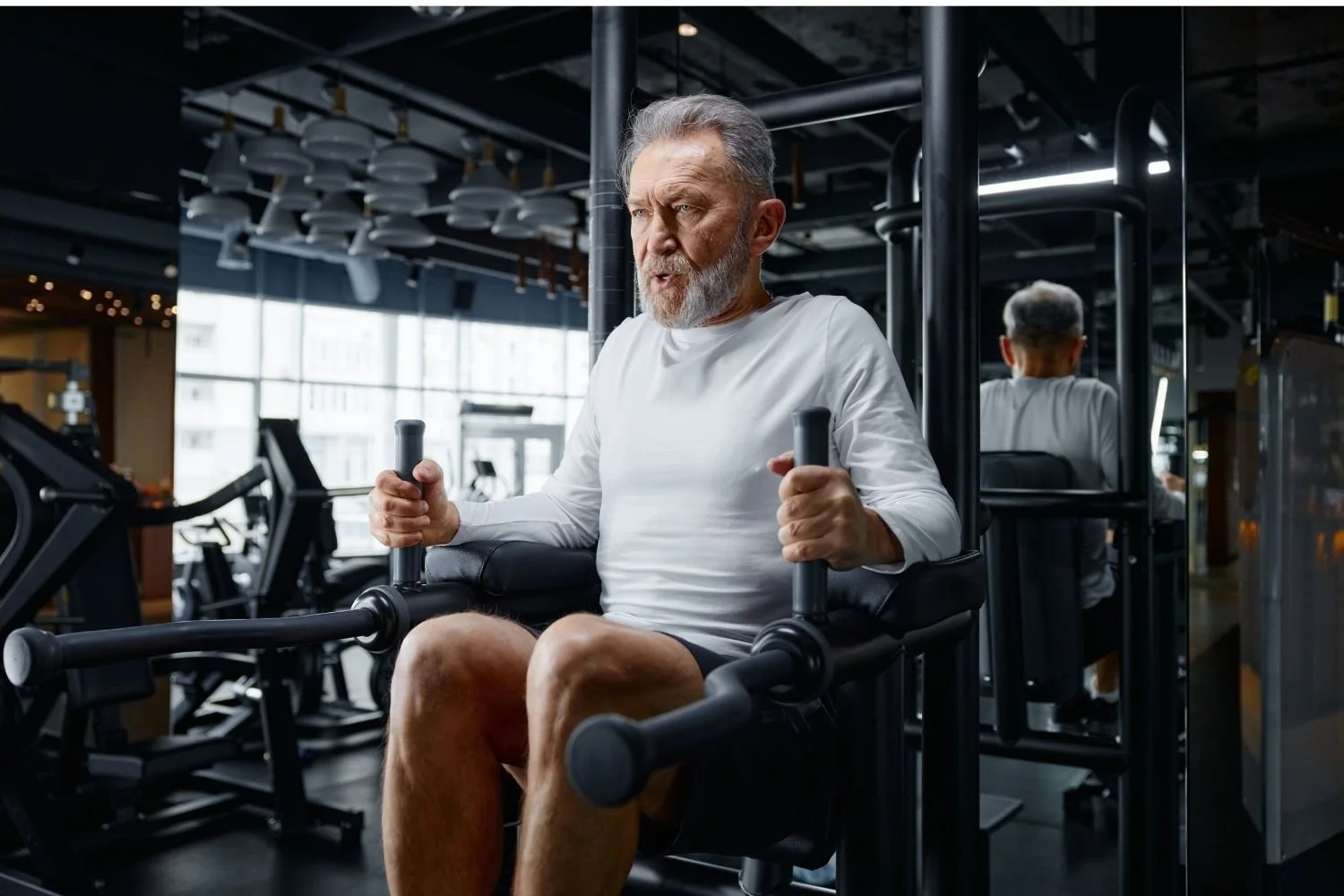
Long-term fitness is built less through intensity and more through consistency, restraint, and the ability to continue.
It’s easy to think about training in short timelines.
A program.
A goal.
A season of progress.
But long-term fitness is built differently.
It isn’t shaped by a few exceptional months. It’s shaped by what you can continue returning to over years.
Longevity Changes Priorities
Early in training, effort often gets most of the attention.
How hard you push.
How much you improve.
How quickly results appear.
Over time, a different question becomes more important:
Can this continue?
That question changes how experienced trainees approach almost everything.
Progress Becomes More Sustainable
Long-term progress is rarely dramatic.
It looks like:
continuing to move well
maintaining strength
staying capable and active
returning after interruptions
These forms of progress may appear modest, but over decades they become significant.
Restraint Becomes a Skill
One of the clearest signs of experience is knowing when not to push harder.
Leaving something in reserve:
protects recovery
supports consistency
reduces unnecessary setbacks
Training that lasts requires pacing, not constant escalation.
The Goal Is Continuation
The strongest routines are rarely the most extreme.
They are the ones that remain compatible with:
work
family
changing priorities
aging
Long-term fitness is not built from perfection. It is built from continuation.
The OnFitness Takeaway
The value of training increases over time when it remains sustainable enough to continue.
Think less about the next few weeks of progress — and more about what will still serve you years from now.
A Different Perspective
Longevity in fitness isn’t only about workouts or routines. Sometimes it’s reflected in the mindset and discipline required to continue performing well over time.
Read Next
Hemky Madera on Fitness and Longevity
Known for roles in Queen of the South, Euphoria, and the upcoming Star Wars: The Mandalorian and Grogu, Hemky Madera reflects on training, recovery, and maintaining physical capability over the long term.
Continue exploring OnFitness
Read more articles on sustainable training and long-term fitness.