
Why More People Are Simplifying Their Skin-Care Routines
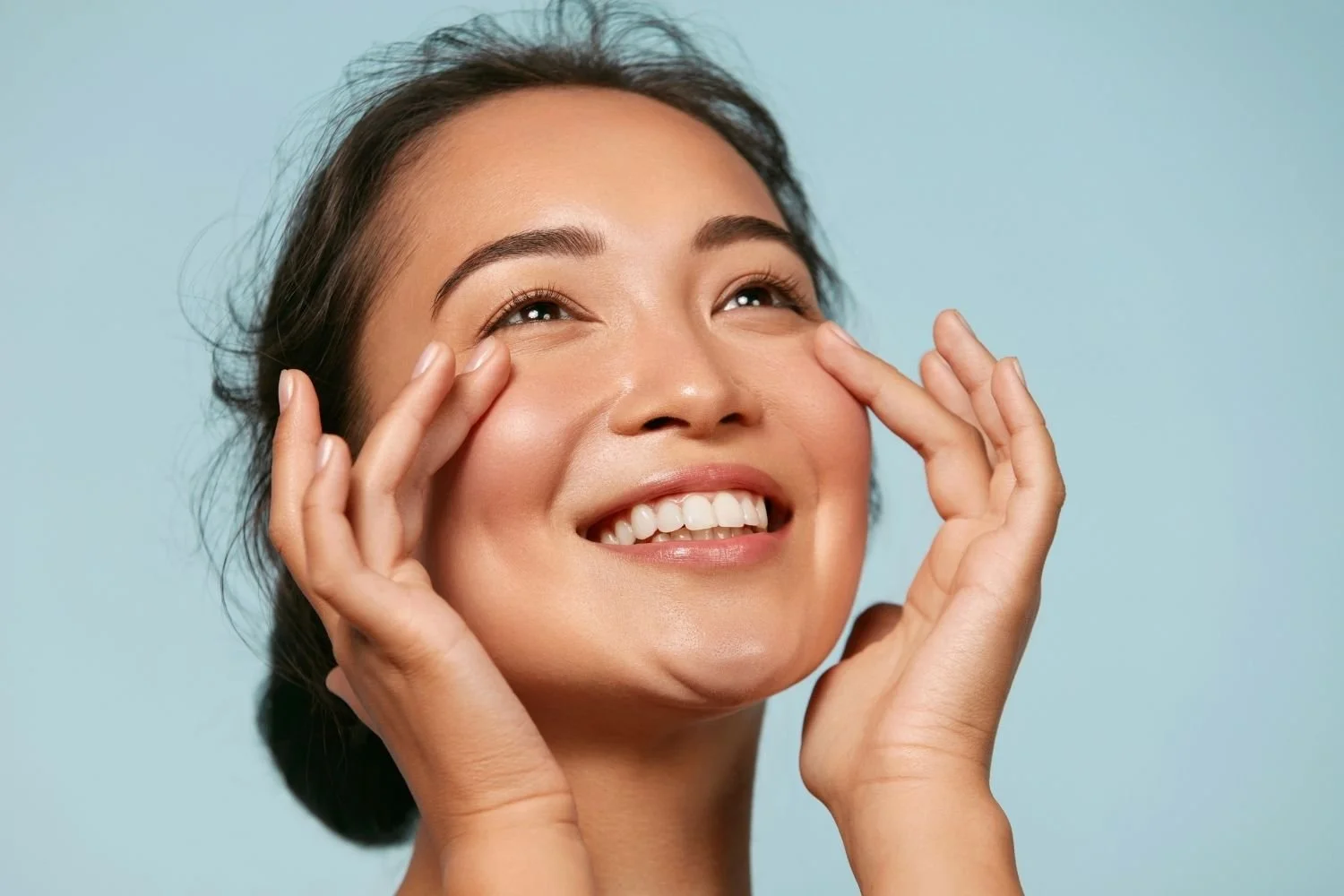
Consumers are paying closer attention to ingredient transparency, skin barrier health, and minimalist routines designed for long-term wellness rather than trend-driven excess.
For years, skin-care routines seemed to become increasingly complicated. Social media trends encouraged consumers to layer multiple serums, exfoliants, acids, masks, and treatments into daily regimens that often felt more exhausting than beneficial. But a growing number of wellness-minded consumers are now moving in the opposite direction — embracing simpler routines built around hydration, consistency, and ingredient awareness.
The shift reflects a broader change in wellness culture. Instead of chasing endless product launches and aggressive treatments, many people are prioritizing routines that support long-term skin health and overall balance. The rise of “skinimalism” also reflects broader wellness trends centered on sustainability, consistency, and mindful consumption.
The Shift Away From Overcomplicated Skin Care
Dermatologists and skin-care experts have increasingly warned that overly complicated regimens can sometimes do more harm than good. The American Academy of Dermatology notes that limiting the number of products used in a routine may help reduce irritation and sensitivity, especially for individuals with reactive or acne-prone skin.
Why Ingredient Transparency Matters More Than Ever
At the same time, consumers are becoming more informed about ingredient transparency. According to a recent survey conducted by NSF, an independent public health and safety organization, 65% of consumers said they want clearer ingredient labeling in personal care products to better identify potentially harmful ingredients. The research also found that 74% of consumers consider organic ingredients important when choosing personal care items.
That growing awareness does not necessarily mean consumers are abandoning science-backed skin care. Instead, many are seeking a middle ground: routines that feel intentional, understandable, and sustainable.

How Active Lifestyles Affect Skin Health
The appeal of minimalist skin care is especially strong among active individuals. Frequent workouts, sweat, sun exposure, chlorine, travel, and repeated showering can place stress on the skin barrier — the outer layer of skin responsible for retaining moisture and protecting against irritation.
Because of this, many dermatologists now emphasize routines focused on three foundational principles: gentle cleansing, hydration, and sun protection. Rather than relying on excessive exfoliation or multiple overlapping active ingredients, the goal is often to maintain the skin barrier and reduce unnecessary irritation.
The Growing Appeal of Minimalist Wellness Routines
This approach also aligns with the realities of modern life. Busy schedules leave many people looking for routines they can maintain consistently without dedicating large amounts of time or money. Simpler routines can also reduce the temptation to constantly experiment with trending ingredients that may not suit every skin type.
Plant-derived oils and botanical ingredients have also gained popularity as consumers search for products perceived as gentler or more nourishing. Many plant oils naturally contain fatty acids, antioxidants, and vitamins that can help support hydration and moisture retention.
Why “Natural” Doesn’t Always Mean Better
However, experts caution against assuming that “natural” automatically means safer. Essential oils and botanical extracts can still cause irritation or allergic reactions, particularly when highly concentrated or used improperly. Individuals with sensitive skin may benefit from introducing new ingredients gradually and patch-testing products before regular use.
The Connection Between Skin Care and Long-Term Wellness
Some dermatologists also believe the growing interest in simplified routines reflects a larger shift away from perfection-focused beauty standards. Instead of attempting to “fix” every perceived flaw, many consumers are embracing skin care as part of a broader wellness practice centered on consistency, recovery, and self-care.
That philosophy mirrors trends across the health and fitness world, where sustainability increasingly matters more than intensity. Just as extreme workout plans are giving way to more balanced training approaches, skin care routines are evolving toward habits people can realistically maintain long term.
Consumer skepticism toward artificial ingredients has also played a role in the movement. Research from Acosta found that roughly half of U.S. shoppers express concern about artificial ingredients in the products they use, reflecting broader demand for transparency throughout the wellness industry.
Still, experts stress that simplified skin care does not have to mean abandoning clinically supported ingredients altogether. In many cases, the most effective routine is simply one that supports the skin barrier, avoids unnecessary irritation, and remains consistent over time.
As wellness culture continues to evolve, the growing popularity of minimalist skin care appears to reflect something deeper than a passing trend. Consumers are increasingly looking for routines that feel practical, intentional, and aligned with overall well-being — not just appearance.
Sources:
• American Academy of Dermatology (AAD)
• NSF consumer research on ingredient transparency
• Acosta consumer wellness research