
The New Rules of Recovery: How to Train Hard, Age Well, and Feel Stronger Every Day
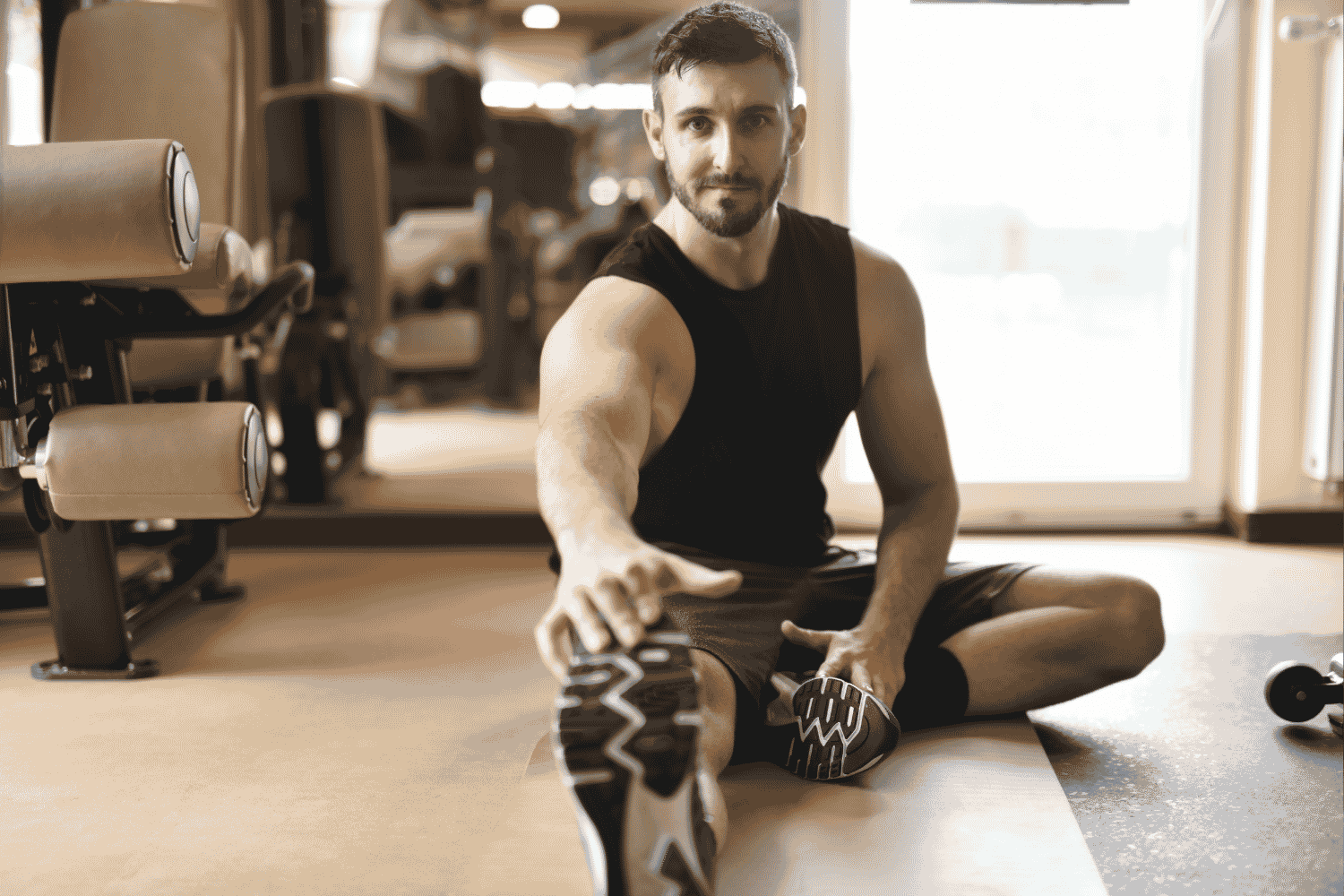
For years, fitness culture celebrated the grind. More reps. Longer workouts. Heavier weights. Fewer rest days. The message was simple: if you were not exhausted, you were not working hard enough.
But the smartest athletes, trainers, physical therapists, and longevity experts now understand something different: Training creates the stimulus. Much of the progress happens afterward, when the body repairs, refuels, and adapts to the work you have done.
Training creates the stimulus. Recovery creates the result.
That shift matters for everyone — not just elite athletes. Whether you are lifting weights in your 40s, returning to exercise after time away, managing stress, or simply trying to feel better in your body, recovery is no longer optional. It is the foundation that allows you to build strength, protect your joints, maintain energy, and stay consistent for years.
The new fitness goal is not to do more until your body breaks down. It is to train intelligently enough that your body keeps adapting.
Why Recovery Is the Missing Link
Every workout places stress on the body. That is not a bad thing. Exercise challenges muscles, tendons, bones, the cardiovascular system, and the nervous system. When the stress is appropriate, the body responds by becoming stronger and more efficient.
The problem begins when stress accumulates faster than the body can repair.
Poor sleep, emotional strain, under-eating, dehydration, excessive training volume, alcohol, long work hours, and lack of downtime all compete for the same recovery resources. Your body does not separate “work stress” from “workout stress” as neatly as your calendar does. It responds to the total load.
This is why two people can do the same workout and have very different results. One feels energized and stronger. The other feels inflamed, tired, and achy for days. The difference is often not motivation. It is recovery capacity.
Learning to manage that capacity is one of the most important skills in lifelong fitness.
Rule 1: Sleep Is Your Most Powerful Performance Tool
No supplement, recovery gadget, or training program can fully compensate for poor sleep.
During sleep, especially deeper stages, the body supports tissue repair, hormone regulation, immune function, learning, memory consolidation, and nervous-system recovery. Sleep also affects appetite, pain sensitivity, coordination, reaction time, and motivation. In other words, it influences almost every factor that determines whether you train well or struggle through a workout.
For active adults, sleep is not passive. It is biological maintenance.
A good target for most people is seven to nine hours per night. But quality matters too. A consistent bedtime, a dark room, cooler temperature, reduced evening screen exposure, and a wind-down routine can make a significant difference.
One of the simplest recovery upgrades is to treat sleep like an appointment. You would not casually skip a training session every night and expect results. Sleep deserves the same respect.

Recovery is not only physical. Simple practices such as journaling, tea, and quiet time can help the body and mind downshift after a demanding day.
Rule 2: Stop Treating Rest Days Like Failure
Rest days are not a sign that you are losing momentum. They are part of the program.
A well-planned rest day allows muscles to repair, connective tissue to recover, inflammation to settle, and the nervous system to reset. Without rest, the body may begin to protect itself by reducing performance. You may notice lower energy, poor sleep, irritability, heavy legs, nagging pain, or declining strength despite consistent training.
That is not weakness. It is feedback.
A rest day does not have to mean lying on the couch all day. It can include walking, light mobility, gentle yoga, stretching, or easy cycling. The key is to keep the intensity low enough that it supports recovery rather than creating another demand.
Think of recovery days as investment days. They prepare the body for better output later.
Rule 3: Strength Training Needs Recovery to Work
Strength training is one of the most powerful tools for aging well. It helps preserve muscle mass, support metabolism, improve bone density, protect joints, and maintain independence.
But strength training only works when the body has time and nutrients to adapt.
If you train the same muscles hard every day, you may limit your own progress. Muscle tissue needs time to rebuild. Tendons and ligaments adapt more slowly than muscles, which means constantly pushing heavy loads without adequate recovery can increase the risk of irritation or injury.
Most people do well with two to four strength sessions per week, depending on experience, goals, intensity, and lifestyle stress. More is not always better. Better is better.
A smart program includes hard work, but also variation. Heavy days, moderate days, mobility work, and lower-intensity conditioning all play a role. The goal is not to leave every workout depleted. The goal is to build a body that performs well repeatedly.
Rule 4: Protein Is Recovery Nutrition
Protein is often discussed in terms of muscle gain, but it is just as important for repair and resilience.
After training, the body needs amino acids to rebuild muscle tissue and support adaptation. Protein also helps preserve lean mass during fat loss, supports satiety, and becomes increasingly important as we age.
A practical approach is to include a quality protein source at each meal. That might be eggs, Greek yogurt, fish, chicken, turkey, lean beef, tofu, tempeh, lentils, cottage cheese, or a protein shake when convenience matters.
Many active adults benefit from roughly 25 to 40 grams of protein per meal, depending on body size and goals. The exact number matters less than consistency. A protein-poor breakfast followed by a random dinner rarely supports optimal recovery.
Pair protein with colorful plants, healthy fats, and smart carbohydrates, and you create meals that support both performance and long-term health.
Rule 5: Carbohydrates Are Not the Enemy
Somewhere along the way, many health-conscious people began to fear carbohydrates. But for active bodies, carbohydrates can be essential.
Carbs help replenish muscle glycogen, which is stored energy your body uses during training. For many active people, adequate carbohydrate intake also supports training quality, energy availability, mood, and sleep — especially when overall intake has been too low. If your workouts feel flat, your recovery is poor, or your cravings spike at night, chronic under-fueling may be part of the problem.
This does not mean every meal needs to be heavy or highly processed. Choose carbohydrates that work for your body and activity level: oats, potatoes, sweet potatoes, fruit, beans, rice, quinoa, whole-grain bread, or vegetables.
The more intense your training, the more important appropriate fueling becomes. Eating enough is not the opposite of discipline. For active people, it is part of discipline.
Rule 6: Mobility Keeps the Body Trainable
Mobility is not just stretching. It is the ability to move joints through useful ranges of motion with control.
Good mobility helps you squat, hinge, reach, rotate, press, pull, and walk with less compensation. It can improve technique, reduce unnecessary strain, and make workouts feel smoother. Poor mobility, on the other hand, often shows up as tight hips, stiff shoulders, cranky knees, or lower-back discomfort.
A few minutes per day can help. Focus on areas that commonly need attention: ankles, hips, thoracic spine, shoulders, and hamstrings. Dynamic mobility before training prepares the body for movement. Slower stretching or breathing-based mobility after training can help downshift the nervous system.
The best mobility plan is the one you will actually do. Five consistent minutes every day beats one aggressive hour once a month.

Low-intensity movement, such as a recovery walk, can support circulation, reduce stiffness, and help the body recover without adding extra training stress.
Rule 7: Walking Is Underrated Recovery
Walking may be the most overlooked recovery tool in fitness.
It increases circulation without adding excessive stress. It supports digestion, helps regulate blood sugar, improves mood, and gives the mind a break. Unlike intense cardio, walking usually enhances recovery rather than competing with it.
A walk after meals can be especially useful. Even ten minutes can help the body transition from stress into regulation. Walking outdoors adds another benefit: natural light, fresh air, and visual distance from screens.
For people who train hard, walking fills the gap between sedentary living and high-intensity exercise. It keeps the body moving without draining the system.
Rule 8: Listen for Early Warning Signs
Your body usually whispers before it screams.
Early signs of under-recovery can include persistent soreness, reduced grip strength, poor motivation, elevated resting heart rate, disrupted sleep, mood changes, frequent illness, loss of appetite, increased cravings, or pain that worsens as you warm up.
These signs do not mean you need to stop training forever. They mean you need to adjust.
Sometimes the answer is an extra rest day. Sometimes it is more food, better sleep, reduced intensity, or switching from heavy lifting to mobility and walking for a few days. The best athletes do not ignore feedback. They use it.
Training through every warning sign is not toughness. It is poor strategy.
Rule 9: Recovery Is Also Mental
A body that rarely downshifts has a harder time recovering well.
Stress keeps the nervous system on alert. When that alert state becomes chronic, it can affect breathing, digestion, sleep, muscle tension, inflammation, and pain perception. This is why recovery should include practices that help the body feel safe enough to repair.
Breathwork, meditation, prayer, journaling, time in nature, gentle stretching, music, sauna, massage, or quiet time can all help. The method matters less than the effect: slowing down, breathing deeper, and creating a clear signal that the day’s demands are over.
Recovery is not laziness. It is a physiological state.
Building Your Personal Recovery Plan
The right recovery plan depends on your age, training history, stress level, goals, and schedule. But most people can begin with a simple weekly rhythm:
Strength train two to four times per week. Walk most days. Include mobility daily or near daily. Sleep consistently. Eat enough protein. Take at least one lower-demand day each week. Adjust intensity when life stress rises.
That final point is important. Your training plan should not exist in isolation from your life. A hard workout may be appropriate during a calm week. The same workout may be too much after three nights of poor sleep and a stressful deadline.
Fitness becomes sustainable when it is responsive.
The Future of Fitness Is Smarter, Not Softer
There is nothing wrong with training hard. Intensity can build confidence, strength, endurance, and mental resilience. But intensity without recovery eventually becomes a debt.
The strongest people are not always the ones who do the most. They are the ones who can train consistently, recover effectively, and keep showing up year after year.
That is the real goal: not a 30-day transformation that leaves you burned out, but a body that remains capable, energetic, and resilient for decades.
Recovery is where that body is built.
So the next time you finish a workout, remember that the session was only the beginning. The choices you make afterward — how you sleep, eat, hydrate, move, breathe, and rest — determine what that workout becomes.
Train hard when it is time to train. Recover well when it is time to recover.
That is how you get stronger. That is how you age better. And that is how fitness becomes a lifestyle you can actually sustain.
Read Next
Recovery Between Workouts: 8 Habits That Support Better Results
Build on the principles in this article with practical recovery habits you can use between training sessions, including active recovery, walking, mobility work, and better ways to manage training stress.
Strength Training Over 50: How to Build a Safe Routine
Learn how to structure strength training in a way that supports muscle, bone health, confidence, and long-term consistency — without overdoing it or neglecting recovery.
This article is for general educational purposes only and is not a substitute for medical advice. If you have chronic pain, a medical condition, an injury, or symptoms that worsen with exercise, consult a qualified healthcare professional before changing your training routine.