
Natural Immune Support: What the Evidence Says About Popular Remedies
Updated August 17, 2026

Vitamin D, elderberry, echinacea, zinc, probiotics, and other natural products are widely promoted for immune health—but their benefits and limitations vary. Here is what the evidence says, what to approach cautiously, and why healthy daily habits still matter most.
As colder months arrive and people spend more time indoors, interest in “immune-boosting” foods, supplements, and traditional remedies tends to increase. The appeal is understandable: most of us would welcome an extra layer of protection during cold and flu season.
But the immune system is not a switch that can simply be turned up. It is a complex network of cells, tissues, and organs influenced by nutrition, sleep, physical activity, age, health conditions, medications, and many other factors.
No supplement or natural remedy can guarantee that you will avoid illness. Some products may have limited or preliminary benefits, while others are poorly supported or carry genuine risks. Understanding the difference can help you make safer, better-informed choices.

Start With the Foundations
Before considering a supplement, focus on the habits that consistently support overall health and normal immune function.
Eat a varied, nutrient-rich diet
The immune system requires adequate energy, protein, vitamins, and minerals to function normally. A balanced eating pattern should emphasize vegetables, fruit, whole grains, protein-rich foods, healthy fats, and other minimally processed foods.
Specific nutrients—including vitamins A, C, D, and E, zinc, selenium, and iron—contribute to normal immune function. However, more is not necessarily better. Excessive amounts of certain vitamins and minerals can cause harm.
The Centers for Disease Control and Prevention recommends meeting nutritional needs primarily through a balanced diet and discussing supplements with a healthcare professional when a deficiency or additional need is suspected.
Prioritize consistent sleep
Sleep affects many aspects of physical and mental health, including immune function. Most adults should aim for at least seven hours of sleep each night, although individual needs vary.
A consistent bedtime, a dark and comfortable bedroom, regular daytime movement, and limiting late caffeine and alcohol can all support better sleep. Persistent insomnia, heavy snoring, or excessive daytime fatigue should be discussed with a healthcare professional.
Stay physically active
Regular physical activity supports cardiovascular health, metabolic health, sleep, mood, and overall well-being. Adults should generally work toward at least 150 minutes of moderate-intensity aerobic activity each week, together with muscle-strengthening activity on two or more days.
You do not need an extreme training plan. Walking, cycling, swimming, resistance training, and other enjoyable forms of movement can all contribute. When you are acutely ill, allow your body appropriate rest and return to exercise gradually.
Manage stress and protect recovery
Chronic stress can disrupt sleep, appetite, training, and other behaviors that influence health. Relaxation practices such as breathing exercises, meditation, time outdoors, journaling, and meaningful social connection may help make stress more manageable.
These practices should not be presented as cures for illness, but they can form part of a sustainable approach to physical and emotional well-being.
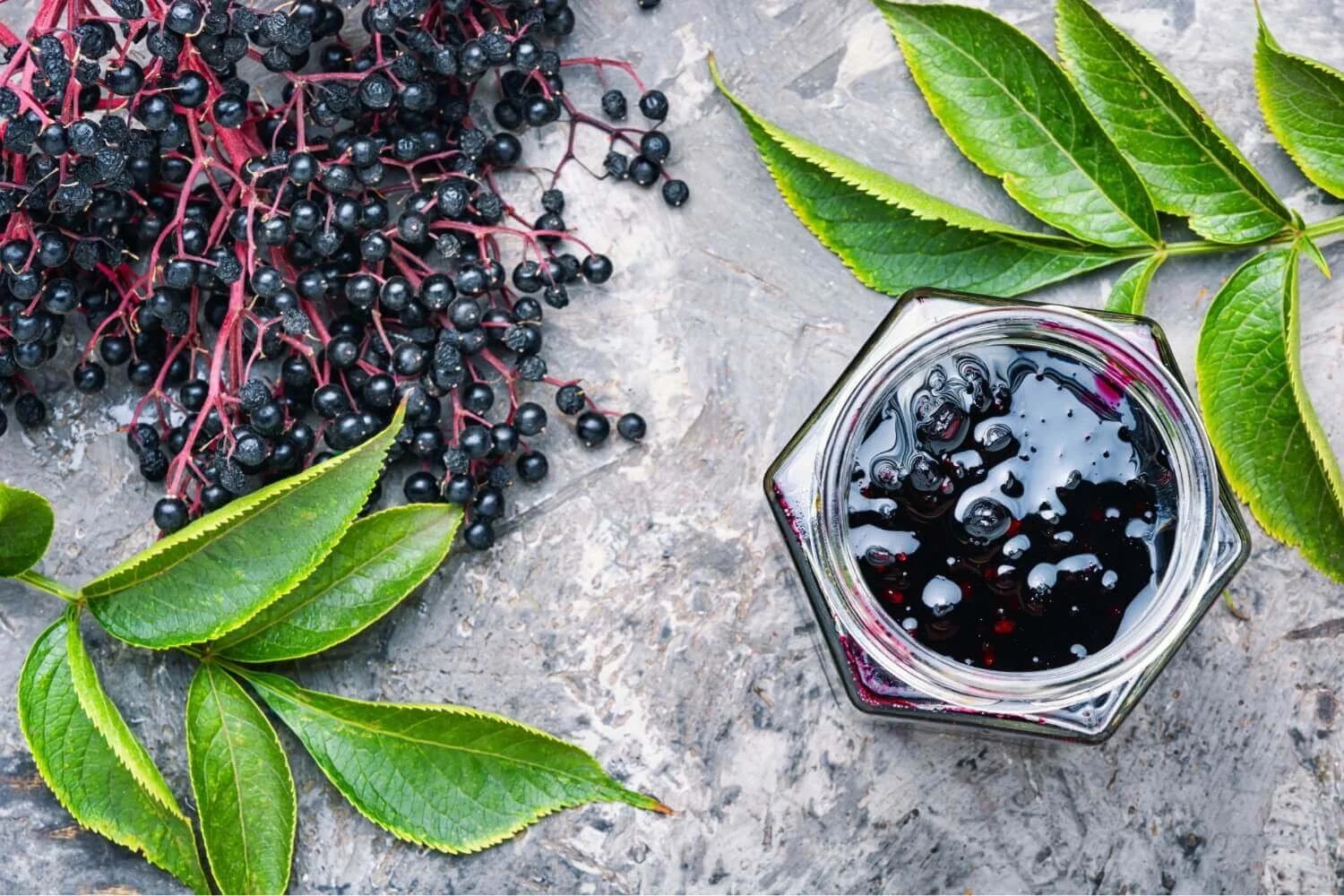
Elderberries and elderberry tincture are widely used in seasonal wellness products, although evidence that they prevent colds remains limited.
What Does the Evidence Say About Popular Natural Products?
Natural does not automatically mean safe, effective, or suitable for everyone. Research also varies considerably between ingredients, formulations, and doses.
Vitamin D
Vitamin D is essential for bone health and also contributes to normal immune function. The body can produce vitamin D through sunlight exposure, and dietary sources include fatty fish, egg yolks, fortified milk, and some fortified plant-based foods.
Research suggests that regularly taking vitamin D may slightly reduce the risk of certain respiratory infections, particularly in people with low vitamin D levels. Other studies have found no clear preventive benefit, however, and vitamin D supplements have not been shown to treat an active respiratory infection.
People who receive limited sunlight, have darker skin, are older, have certain digestive conditions, or avoid vitamin D-rich foods may be more likely to have inadequate levels. If you are concerned about your vitamin D status, discuss testing and supplementation with a qualified healthcare professional.
High-dose vitamin D is not an immune “quick fix.” Excessive supplementation can be harmful, so follow professional guidance rather than assuming that more is better.
Elderberry
Elderberry is commonly sold as a syrup, lozenge, gummy, or capsule for seasonal wellness. Current evidence does not show that elderberry prevents the common cold. Some preliminary studies suggest that properly prepared elderberry products may modestly reduce the duration or severity of certain upper-respiratory symptoms, but better-quality research is still needed.
Raw or unripe elderberries—as well as the leaves, bark, and other parts of the plant—can contain toxic substances that cause nausea, vomiting, and diarrhea. Elderberry may also affect blood sugar or interact with medications that suppress the immune system.
Echinacea
Echinacea is one of the most widely used herbal products for colds. Research suggests that some preparations might slightly reduce the chance of developing a cold, but evidence is inconsistent. It has not been shown reliably to reduce the severity or duration of symptoms, and it remains unclear whether it helps with influenza.
Echinacea products differ in plant species, plant parts, extraction methods, and concentration, so findings from one preparation may not apply to another. Side effects can include digestive discomfort, rashes, and—in rare cases—allergic reactions. It may also interact with immune-suppressing medications.
Zinc
Zinc is an essential mineral involved in normal immune function, wound healing, protein production, and other important processes. Food sources include seafood, meat, dairy products, beans, nuts, seeds, and whole grains.
Some evidence suggests that oral zinc lozenges may modestly shorten a cold when started soon after symptoms begin. Results depend on the formulation and dose, however, and zinc can cause nausea, digestive discomfort, and an unpleasant taste.
Intranasal zinc products should be avoided because they have been associated with severe and potentially permanent loss of smell. Excessive zinc intake can also interfere with copper absorption and interact with certain medications.
Probiotics and fermented foods
Probiotics are live microorganisms found in some fermented foods and dietary supplements. Because the digestive system and immune system are closely connected, researchers have examined whether particular probiotic strains might affect respiratory illness.
Some studies suggest that certain probiotics may modestly reduce the risk or duration of respiratory infections, but results vary by strain and product. Benefits demonstrated for one formulation cannot automatically be applied to another.
Foods such as yogurt, kefir, kimchi, and sauerkraut can contribute to a varied diet, but they should not be treated as guaranteed protection against illness. People who are seriously ill or have compromised immune systems should consult a healthcare professional before taking probiotic supplements.
How to Evaluate an Immune-Support Supplement
Before purchasing a supplement, ask:
Is the claim specific and realistic, or does it promise to “supercharge,” cure, or prevent illness?
Is the evidence based on studies of the finished product or only its individual ingredients?
Are the dose and active ingredients clearly stated?
Has the product been independently tested for identity and contaminants?
Could it interact with medications or an existing health condition?
Is the recommendation coming from an independent source or paid advertising?
A laboratory test showing that a product contains a particular ingredient does not prove that the product improves immunity or prevents illness.
Speak with a qualified healthcare professional before starting a supplement if you take medication, have an underlying condition, are pregnant or breastfeeding, have a compromised immune system, or are preparing for surgery.

Healthy routines built around nutrition, movement, sleep, and everyday care can support the whole family’s well-being.
The OnFitness Takeaway
The strongest approach to immune health is not a single herb, supplement, or seasonal remedy. It is a consistent foundation of adequate sleep, balanced nutrition, regular movement, stress management, appropriate preventive care, and attention to your individual health needs.
Some natural products may offer limited benefits in specific circumstances, but the evidence is rarely as strong or universal as promotional language suggests. Approach supplements with the same care you would apply to any other health-related product: examine the evidence, consider the risks, and be wary of claims that sound too good to be true.
Natural products should never be used to delay appropriate medical care or replace recommended vaccines, prescribed treatment, or professional advice.
Read These Articles Next
5 Ways to Support a Healthy Immune System
Discover five evidence-informed habits—including quality sleep, balanced nutrition, regular movement, gut health, and healthier daily choices.
Vitamin D and Immune Health
Learn how vitamin D contributes to normal immune function, who may be at risk of low levels, and what supplements can—and cannot—do.
Functional Foods Explained: Benefits, Examples, and Simple Ways to Eat More
Discover how foods such as berries, oats, yogurt, leafy greens, fatty fish, and seeds can add fiber, healthy fats, and beneficial plant compounds to your diet.
Immune-Supportive Foods: What Science and Experts Say
Explore the role of nutrition in normal immune function, along with practical food choices and an easy, nutrient-rich recipe.