
Baking Soda as an Athletic Performance Aid
What the Science Actually Says
Sodium bicarbonate has decades of research behind it. It also has a long history of misuse, overpromising, and GI-related disasters mid-race. Here is the full picture.
The Unlikely Ergogenic Aid Sitting in Your Kitchen
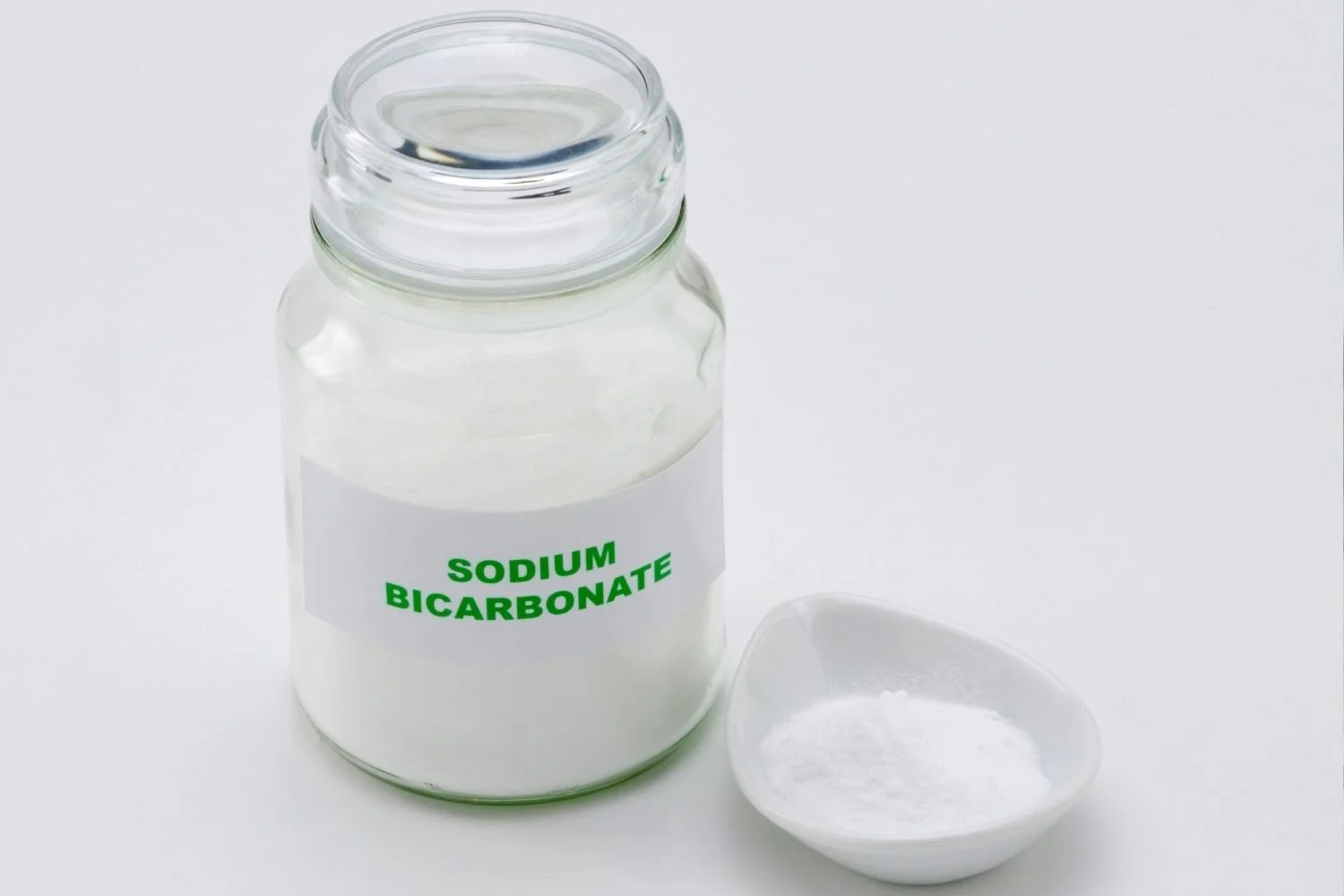
It costs under two dollars. It lives next to the flour. It has been used in baking since the 19th century. And according to a substantial body of peer-reviewed sports science, sodium bicarbonate — common baking soda — is one of the more legitimate performance-enhancing substances an athlete can legally use.
That is not a fringe claim. It is the consensus position of the International Society of Sports Nutrition (ISSN), acknowledged by the American College of Sports Medicine (ACSM), and supported by multiple meta-analyses spanning more than four decades of controlled research. But the story is considerably more complicated — and more cautionary — than most supplement-culture coverage suggests.
The Physiology: Understanding Why It Could Work
To understand why baking soda has any business being discussed alongside athletic performance, you need to understand what actually causes fatigue during high-intensity effort.
When you sprint, row hard, or push through a 400-meter race, your muscles rely increasingly on rapid glycolytic energy production to meet demands that aerobic metabolism alone cannot satisfy. During this kind of high-intensity effort, hydrogen ions (H⁺) can accumulate and contribute to a drop in muscle pH. This increasing acidity can interfere with processes involved in muscle contraction and contribute to fatigue, although it is only one of several factors that limit performance. In other words, the familiar “burn” of intense exercise is associated with changes in muscle chemistry—including rising acidity—but fatigue itself is more complex than any single cause.
A common simplification blames lactic acid. Modern sports physiology is more precise: lactate itself is not the primary cause of fatigue. Acidosis can contribute to impaired muscle function, but fatigue is multifactorial. Lactate, meanwhile, can be transported, oxidized, and reused as an energy source even as exercise continues. The increase in acidity is one contributor to fatigue—not the sole cause.
This is where sodium bicarbonate enters. When ingested, sodium bicarbonate dissociates into sodium (Na⁺) and bicarbonate (HCO₃⁻) ions, increasing bicarbonate concentrations in the blood. Bicarbonate is the body’s primary extracellular buffer, helping regulate acid-base balance during intense exercise. By elevating blood bicarbonate levels before exercise, supplementation can increase extracellular buffering capacity and create a greater gradient for hydrogen ions to move out of working muscle cells. This can help limit the decline in muscle pH and may delay fatigue or improve performance during certain high-intensity efforts.
The mechanism is grounded in established acid-base physiology, although the extent to which it improves performance depends on the type of exercise, dose, timing, and individual response.
What the Research Actually Demonstrates
Meta-Analytic Evidence
A landmark meta-analysis by Carr et al. (2011) in Sports Medicine found that sodium bicarbonate supplementation could produce a small but potentially meaningful performance benefit during short-duration, high-intensity exercise, with an estimated improvement of approximately 1.7% under typical study conditions.
A 2021 umbrella review by Grgic et al. in the Journal of the International Society of Sports Nutrition found evidence that sodium bicarbonate supplementation can improve several performance outcomes, including:
Anaerobic power and capacity
Muscular endurance
Performance in some high-intensity endurance efforts
However, the strength of the evidence varied by outcome, and no significant overall benefit was found for repeated-sprint ability or maximal strength.
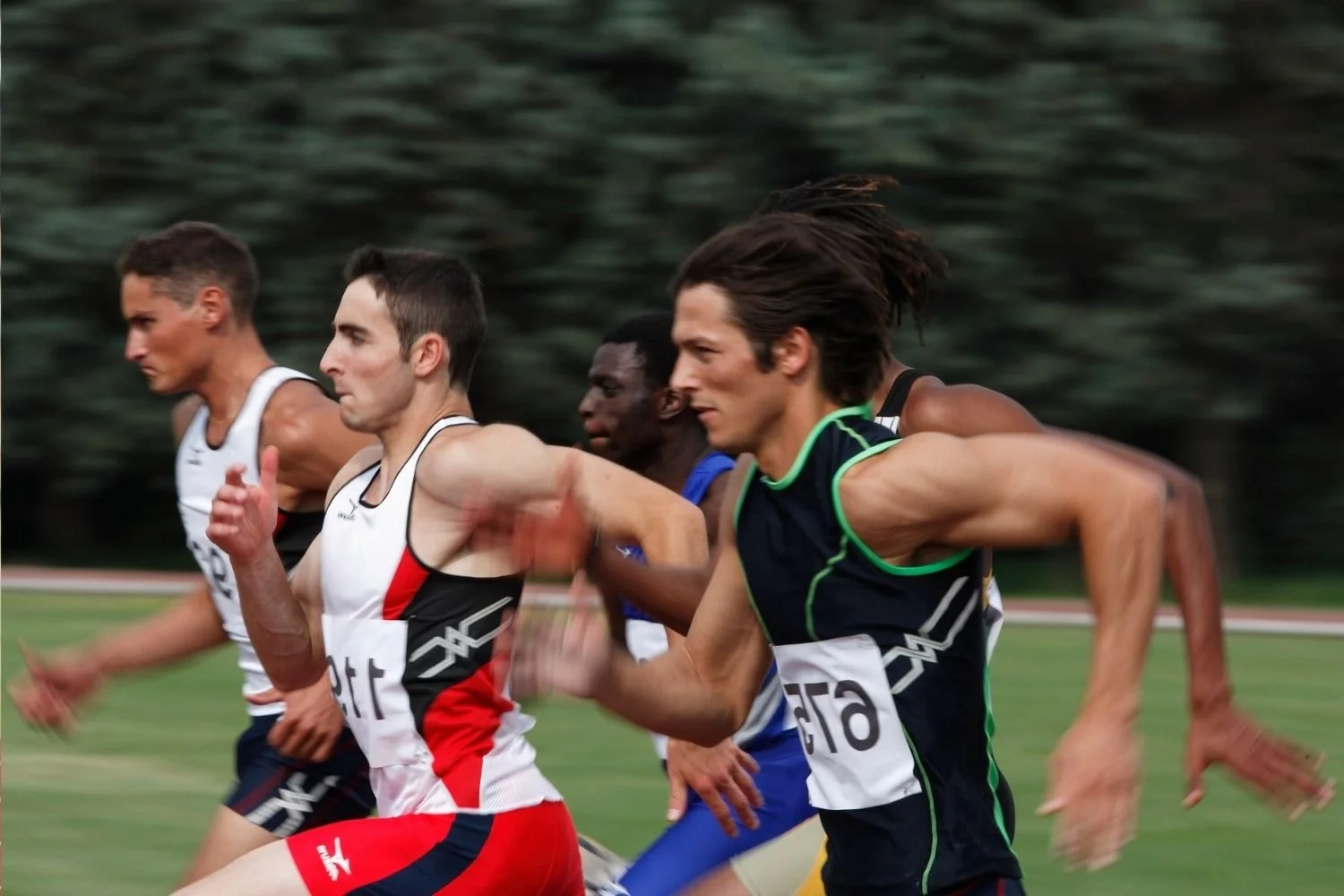
The 2021 ISSN position stand concluded that the ergogenic effects of sodium bicarbonate are most established for high-intensity exercise lasting approximately 30 seconds to 12 minutes.
Where the Benefits Are Clearest
Activities in which bicarbonate has been studied:
Middle-distance running (400m–1500m)
Rowing (1k–2k events)
Swimming (100m–400m)
Combat sports (repeated high-intensity bursts)
Team sport intervals and HIIT protocols
Where It Does Not Help
The evidence is less consistent for prolonged, predominantly aerobic endurance events such as marathon running and low-intensity steady-state exercise, where the demands on anaerobic metabolism are lower. However, sodium bicarbonate may still offer some benefit during shorter cycling time trials or high-intensity surges within endurance competition, when acid-base disturbances become more pronounced.
The same distinction applies to resistance training. Sodium bicarbonate does not appear to meaningfully improve maximal strength, but it may enhance muscular endurance during high-repetition or repeated-set protocols that generate greater metabolic stress.
In other words, sodium bicarbonate is not a universal performance enhancer. Its potential benefits are most relevant when exercise creates a substantial acid-base challenge and extracellular buffering capacity becomes a limiting factor.
Institutional Positions: What the Major Bodies Actually Say
International Society of Sports Nutrition position stand: states explicitly that sodium bicarbonate is an effective ergogenic aid for short-duration, high-intensity exercise, while identifying GI distress as the primary practical limitation.
The ACSM includes it among evidence-supported performance aids but consistently emphasizes individual testing protocols and warns about the risk of GI complications in uncontrolled settings.
None of these bodies recommend it casually. The science is affirmative; the caution is consistent.
Dosing: What Studies Use
Research protocols typically converge on:
Dose: 0.2–0.3 g/kg body weight
Practical example: A 70 kg (154 lb) athlete would take 14–21 grams
Timing varies considerably between individuals and across study protocols, so there is no single pre-exercise window that works best for everyone. Research has shown substantial individual variation in how quickly blood bicarbonate levels rise after supplementation. Current evidence supports a broad window of approximately 60–180 minutes before exercise, with individual experimentation recommended to account for both bicarbonate response and gastrointestinal tolerance.
Alternative protocols explored in research include:
Split dosing — dividing the dose into smaller portions rather than consuming it all at once, which may help reduce gastrointestinal discomfort.
Multiple-day loading — dividing larger total daily doses across several smaller servings for three to seven days before competition. This approach may reduce the risk of gastrointestinal side effects on competition day, although the optimal protocol remains uncertain.
The Side Effect Profile: This Is Where Most Coverage Falls Short
Gastrointestinal Distress
Gastrointestinal distress is one of the most important practical limitations of sodium bicarbonate supplementation. Reported rates vary considerably across studies depending on the dose, formulation, timing, food intake, and individual tolerance, making it difficult to assign a single percentage to the risk. Common symptoms include nausea, bloating, abdominal pain, cramping, diarrhea, and occasionally vomiting.
These side effects are more than an inconvenience: when sufficiently severe, they can diminish or even outweigh any potential performance benefit. The 2021 ISSN position stand notes that the incidence and severity of gastrointestinal symptoms generally increase with higher doses and recommends adjusting dose, timing, food intake, and formulation to improve tolerance.
For athletes considering sodium bicarbonate, the practical recommendation is clear: experiment with the protocol during training before using it in competition. Individual tolerance varies substantially, so race day should never be the first test.
Sodium Load
An effective dose of sodium bicarbonate delivers a substantial amount of sodium. For reference, 20 grams of sodium bicarbonate contains roughly 5,500 mg of sodium—more than twice the American Heart Association’s recommended maximum of 2,300 mg per day for most adults. However, those general sodium targets may not apply in the same way to competitive athletes who lose large amounts of sodium through sweat, whose needs should be assessed individually.
For healthy athletes, occasional sodium bicarbonate use at research-supported doses appears to be generally well tolerated aside from the common gastrointestinal effects. Even so, the large sodium load deserves consideration. People with hypertension, kidney disease, cardiovascular conditions, or medically prescribed sodium restrictions should consult a qualified healthcare professional before using sodium bicarbonate as a performance aid.
Metabolic Alkalosis and Misuse
Clinical case reports document severe metabolic alkalosis—an excessive rise in blood pH—after excessive or prolonged sodium bicarbonate intake. Serious toxicity can also involve electrolyte disturbances such as hypernatremia and hypokalemia, with symptoms ranging from weakness and confusion to seizures, abnormal heart rhythms, and, in extreme cases, cardiac arrest. Most reported severe cases involve very large acute doses, repeated excessive intake, or individuals with additional medical risk factors.
Part of the concern is sodium bicarbonate’s accessibility. Household baking soda is inexpensive and readily available, but it is not packaged with athlete-specific dosing instructions or individualized medical guidance. That makes self-dosing particularly important to approach cautiously: assuming that a larger dose will produce a greater performance benefit can instead increase the risk of gastrointestinal symptoms, electrolyte disturbances, and potentially serious toxicity.
A Cautionary Tale from Horse Racing
For a vivid example of why plausible physiology does not always translate into better performance, consider horse racing.
Since the late 1980s, some trainers have used a practice known as “milkshaking”—administering sodium bicarbonate to racehorses in the hours before competition, often through a nasogastric tube. The theory was similar to that behind human supplementation: increase extracellular buffering capacity, reduce exercise-related disturbances in acid-base balance, and potentially delay fatigue.
The practice is prohibited before racing in most major racing industries, and racing authorities commonly use blood acid-base measures, including total carbon dioxide (tCO₂), to detect possible bicarbonate administration. Violations can result in significant penalties.
But controlled research failed to demonstrate the expected performance benefit. A 2020 systematic review and meta-analysis examined seven randomized controlled studies involving trained Standardbred and Thoroughbred horses. Sodium bicarbonate administered before exercise did not significantly improve either time to exhaustion or simulated race performance. The authors concluded that there was high-quality evidence that acute bicarbonate administration does not improve running performance in trained racehorses.
The risks associated with the traditional method of administration are more concrete. Nasogastric intubation can cause gastrointestinal upset and injury to the nose and throat, and incorrect placement of the tube into the trachea rather than the esophagus can allow the solution to enter the lungs, with potentially fatal consequences.
So why did the practice persist? The underlying theory was physiologically plausible, and anecdotal reports helped reinforce the belief that it worked. The broader lesson is relevant to human athletes as well: a convincing biological mechanism does not guarantee a meaningful performance benefit. Ultimately, controlled outcomes matter more than theory or tradition.

What this means for human athletes
The lesson is not that sodium bicarbonate is ineffective in humans. In fact, substantial evidence shows that it can improve performance in certain high-intensity exercise settings.
The broader lesson is that:
A plausible physiological mechanism does not guarantee a performance benefit
Anecdotal experience is not a substitute for controlled research
Context matters—species, exercise type, dose, timing, and method of administration can all influence outcomes
The horse-racing example illustrates why performance claims must ultimately be judged by controlled outcome data rather than by theory or tradition alone. In humans, sodium bicarbonate has stronger evidence supporting its use—but only under specific conditions and with careful attention to protocol and individual tolerance.
The Lab-to-Real-World Gap
This is one of the most important considerations for anyone evaluating sodium bicarbonate as a performance aid.
In controlled research:
Many studies carefully manage factors such as:
Dose
Timing
Pre-exercise food intake
Exercise protocol
Participant monitoring
Gastrointestinal symptoms and tolerance
These controls help researchers isolate the effect of sodium bicarbonate, but they do not always reflect the variability of real-world use.
In practice:
Athletes may use different doses, take bicarbonate at different times, combine it with other supplements, or apply it to types of exercise where the evidence is less convincing. Some may also try it without first establishing their individual gastrointestinal tolerance.
That creates an important gap between “this worked under controlled study conditions” and “this will work for me, with my training, schedule, and gut.” The gap does not invalidate the evidence. It simply means that individual response, protocol, and context matter.
The Bottom Line
Sodium bicarbonate is a legitimate ergogenic aid with evidence supporting small but potentially meaningful performance benefits in certain high-intensity exercise settings.
Its usefulness, however, is highly context-dependent. Benefits vary by exercise type and protocol, while gastrointestinal side effects are common enough to limit practical use for some athletes. Dose, timing, food intake, and individual tolerance can all influence whether the potential benefit translates from the laboratory to competition.
For athletes competing in events where small performance margins matter, sodium bicarbonate may be worth considering as part of a carefully tested strategy. It is not, however, a universal performance enhancer—and more is not necessarily better.
| Factor | Reality |
|---|---|
| Performance benefit | Small but potentially meaningful in selected high-intensity exercise; magnitude varies by event, protocol, and individual response |
| GI tolerance | Highly individual; gastrointestinal symptoms are common and vary with dose, timing, food intake, and formulation |
| Cost | Low for standard sodium bicarbonate; specialized formulations may cost more |
| Sodium load | High; 20 g of sodium bicarbonate provides roughly 5,500 mg of sodium |
| Safety in healthy athletes | Generally well tolerated at research-supported doses, although GI side effects can limit use |
| Higher-risk individuals | Medical guidance is advisable for people with hypertension, kidney or cardiovascular disease, or prescribed sodium restrictions |
| Complexity of use | Moderate; dose, timing, food intake, exercise type, and individual tolerance all matter |
For competitive athletes in events where small performance differences matter—and who have the time and support to test dosing, timing, and gastrointestinal tolerance carefully—sodium bicarbonate may be a legitimate ergogenic aid worth considering.
For recreational athletes focused on general fitness, however, the potential benefit is far less compelling. Training consistency, adequate sleep, sound nutrition, and recovery should generally take priority over fine-tuning a bicarbonate protocol.
For athletes who do choose to experiment with sodium bicarbonate, the protocol should be tested in training rather than introduced for the first time on competition day, ideally with guidance from a qualified sports medicine or sports nutrition professional. For everyone else, the baking soda is probably better left for bread.
Disclaimer: This article is for informational and educational purposes only and is not a substitute for individualized medical or nutritional advice. Athletes considering sodium bicarbonate supplementation should consult a qualified healthcare professional or registered sports dietitian, particularly if they have hypertension, kidney or cardiovascular disease, a significant gastrointestinal condition, or have been advised to restrict sodium intake.
References
Carr AJ, Hopkins WG, Gore CJ. (2011). Effects of acute alkalosis and acidosis on performance: a meta-analysis. Sports Medicine, 41(10), 801–814. DOI: 10.2165/11591440-000000000-00000.
Grgic J, Pedisic Z, Saunders B, et al. (2021). International Society of Sports Nutrition position stand: sodium bicarbonate and exercise performance. Journal of the International Society of Sports Nutrition, 18, 61. DOI: 10.1186/s12970-021-00458-w.
Grgic J, Grgic I, Del Coso J, Schoenfeld BJ, Pedisic Z. (2021). Effects of sodium bicarbonate supplementation on exercise performance: an umbrella review. Journal of the International Society of Sports Nutrition, 18, 71. DOI: 10.1186/s12970-021-00469-7.
Thomas DT, Erdman KA, Burke LM. (2016). Position of the Academy of Nutrition and Dietetics, Dietitians of Canada, and the American College of Sports Medicine: Nutrition and athletic performance. Journal of the Academy of Nutrition and Dietetics, 116(3), 501–528. DOI: 10.1016/j.jand.2015.12.006.
Denham J, Hulme A. (2020). A systematic review and meta-analysis on sodium bicarbonate administration and equine running performance: Is it time to stop horsing around with baking soda? Journal of Equine Veterinary Science, 95, 103281. DOI: 10.1016/j.jevs.2020.103281.
Winter IP, Sarac P, Wilson PB. (2026). Gastrointestinal symptoms associated with sodium bicarbonate supplementation protocols: A systematic review. European Journal of Sport Science, 26(8), e70225. DOI: 10.1002/ejsc.70225.
American Heart Association. (2025). How Much Sodium Should I Eat Per Day? Last reviewed July 15, 2025.
Inokuchi R, Maeda A, Komaru Y, Takahashi T, Doi K. (2026). Severe metabolic alkalosis and hypernatremia induced by excessive sodium bicarbonate intake: A case report and literature review. American Journal of Emergency Medicine, 103, 45–49. DOI: 10.1016/j.ajem.2026.01.014.